
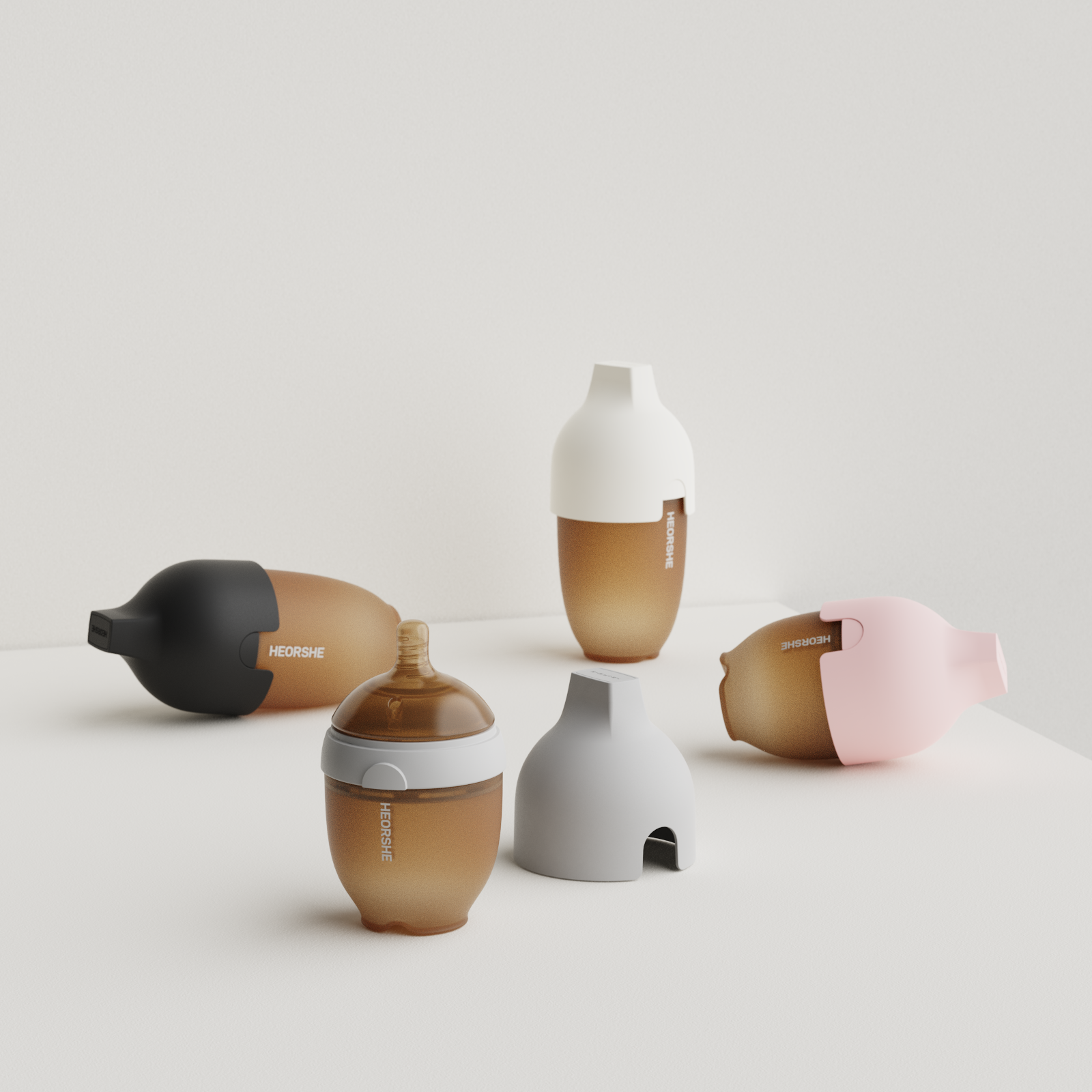
Why silicone has become a preferred feeding material
Silicone has become an increasingly popular material for baby bottles, and for good reason. Unlike traditional plastics, food-grade silicone does not contain BPA or BPS, and it does not shatter like glass. For parents seeking a durable, heat-resistant, and chemically stable feeding option, silicone offers a practical middle ground between the softness of a breast-like feel and the resilience needed for daily family life.
Not all silicone is the same, however. The distinction between generic silicone and platinum-cured, food-grade silicone matters when it comes to infant feeding. Understanding these differences helps parents make informed decisions about what goes into their baby's mouth.
Food-grade vs. platinum food-grade silicone
Food-grade silicone is broadly considered safe for food contact. Platinum-cured silicone is manufactured using a different curing process in which no peroxide byproducts remain in the finished material — a property some parents prefer because the silicone may be less likely to retain residual taste or odor over repeated use and sterilization cycles. This is a manufacturing distinction, not a statement that platinum-cured silicone is inherently safer or superior to all other food-grade silicone.
HEORSHE's Ultra Wide Neck Baby Bottle uses a 100% platinum food-grade silicone body. This material is designed to be soft to the touch, simulating the warmth and feel of maternal skin, while remaining structurally stable across a wide temperature range.
What the certifications actually mean
When a silicone baby bottle is described as safety-certified, it helps to know which standards are being referenced. HEORSHE bottles are tested against FDA 21 CFR and EN 14350 — recognized frameworks for infant feeding product safety in the United States and Europe respectively. These standards cover material composition, mechanical integrity, and chemical safety.
Testing to these standards means the specific components evaluated meet the requirements of those frameworks. It is not the same as an FDA product approval, and it should not be read as a blanket certification across every product line or use scenario. BPA-free and BPS-free labeling indicates that the product does not contain bisphenol A or bisphenol S — two compounds that have been a focus of concern in infant product manufacturing. HEORSHE bottles are certified BPA and BPS free.
Certification note: FDA 21 CFR and EN 14350 testing applies to the specific HEORSHE bottle components evaluated against those frameworks. It is not an FDA product approval and should not be read as a blanket medical guarantee across every product line or use scenario.
Heat resistance and sterilization
One of the practical advantages of silicone is its thermal stability. The HEORSHE silicone bottle body is rated for temperatures from -20°C to 180°C, which means it can withstand steam sterilization, boiling water, and refrigeration without degrading.
This temperature range applies to the silicone body specifically. Other components — such as the PPSU neck collar and PP dust cap — have their own material properties. Always follow the manufacturer's care instructions for each component rather than assuming the entire assembly shares one thermal limit.
Design features that support daily use
Beyond material safety, the physical design of a silicone bottle affects how it performs in everyday parenting. The HEORSHE Ultra Wide Neck Baby Bottle features a 65mm ultra-wide neck opening, which makes hand-washing the interior easier and reduces the need for narrow brushes that can miss residue.
The bottle also incorporates a dual anti-colic air valve system designed to reduce the intake of air during feeding. While no bottle can guarantee the prevention of colic, reducing swallowed air is a commonly cited goal among feeding-product designers.
Important: No feeding bottle can guarantee the prevention of colic, gas, or spit-up. Anti-colic features are designed to reduce contributing factors, not to prevent medical conditions. Parents with persistent feeding concerns should consult a pediatrician.
What to look for when choosing a silicone bottle
When evaluating a silicone baby bottle, consider the following:
- Material grade — look for platinum-cured or platinum food-grade silicone rather than generic silicone
- Certification — check for FDA 21 CFR and/or EN 14350 compliance on the specific product
- BPA and BPS free labeling
- Temperature range — confirm the bottle can withstand your preferred sterilization method
- Component materials — verify each part (body, collar, cap, nipple) separately, as they may differ
- Neck width — wider openings are easier to clean by hand
Ultra Wide Neck Baby Bottle
Explore the full product specifications, materials, and certifications referenced in this educational guide.
View product detailsThis article is newly drafted educational content based on verified HEORSHE product specifications and approved technical documentation. It is not recovered original text. Product specifications and certifications referenced herein apply to the specific components tested. No medical claims are made; consult a pediatrician or pediatric dentist for individualized guidance.