EN
EN AR
AR BG
BG HR
HR CS
CS DA
DA NL
NL FI
FI FR
FR DE
DE EL
EL HI
HI IT
IT JA
JA KO
KO NO
NO PL
PL PT
PT RO
RO RU
RU ES
ES SV
SV IW
IW ID
ID LV
LV LT
LT SR
SR SK
SK SL
SL UK
UK VI
VI ET
ET HU
HU TH
TH TR
TR FA
FA MS
MS BE
BE HY
HY AZ
AZ KA
KA MN
MN MY
MY KK
KK TG
TG UZ
UZ
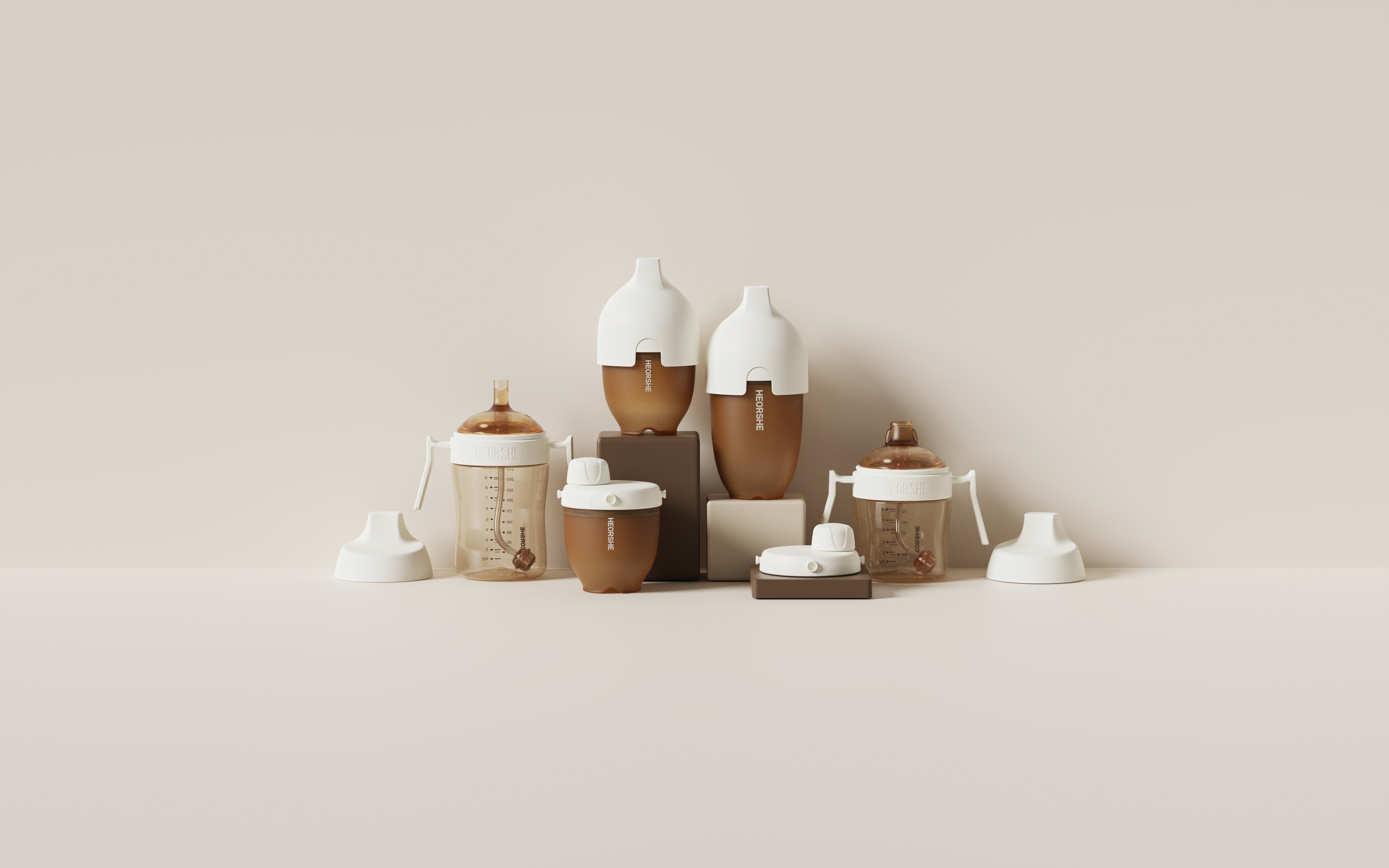
Most parents notice their baby cries long after feeding even though they have been fed and changed. Colic is one of the many reasons the baby continues to cry. Colic can be caused by swallowing air during bottle feeds. Anti-colic bottles are made to assist with reducing that air. They contain small vents or have valve systems to allow milk to flow smoothly with less bubbles being incorporated. Some parents only figured out something was amiss once they swapped bottles in the dead of night, and their baby seemed to settle down more quickly. Understanding how these Ultra Wide Neck Baby Bottle work can assist with long-term stress free feeding for both baby and caregiver at home.
Understanding Colic: How Air Intake Affects Baby Comfort
Colic has been described as episodes of intense crying in an otherwise healthy infant that usually begins in the first few weeks of life. Parents feel baffled because they can feed change and soothe the baby but it appears to have no effect. One problem is air intake when babies are feeding. Babies swallow air when they gulp their milk down too quickly or eat and swallow air at the same time. This can cause tiny air bubbles to form in the abdomen causing pressure tightness and discomfort which your baby can't voice other than by crying. The digestive system of a baby is still immature and thus, does not deal with trapped air. You may see your baby bringing up their legs, redness of face or crying immediately after a feed. Other babies also quit feeding early due to being full of air rather than milk. This frequently results in increased feeding and increased opportunities to swallow air once more and establishes a cycle that is difficult to break. Many parents give a real-life example of the evening crying phase. A mother may feed her child correctly and even burp them and still find them crying incessantly in the night. She can later notice that the flow of the bottle nipple was excessive forcing the baby to gulp air during feeds. After changing the position of feeding and switching to a bottle that minimized air intake, the baby appeared to be more calm after feeding. Reduction of air intake can be achieved by simple measures. Swallowing can be facilitated by holding the baby in a more upright position during feeding. Also, take a break during feeds to give a gentle burp to get out trapped air before it accumulates. It is also important to watch the rate of the milk flow as it is too fast, the milk will be gulped.
Dual Vent Technology: Reducing Gas for Happier Feedings
Anti-colic bottles usually have a dual vent design to assist in keeping the milk in as air-free as possible. The concept behind it is easy to comprehend: in order to have the balance of pressure, as a baby consumes water, there must be an entry point of air in the bottle. Lack of a proper vent may result in the air being sucked through the milk and finding its way into the tummy of the baby. It is there that unease begins. In the case of dual vent, the air passes through a different route rather than combining with the milk. One of the vents allows the flow of air into the bottle without any issues and the other allows the milk to flow out to be controlled. Such a stable equilibrium leads to the creation of fewer bubbles when feeding. Infants will also swallow less air which can assist in decreasing the amount of gas accumulated and post meal fussiness. One such common scenario observable by many parents is in night feeding. A baby might begin to feed peacefully and suddenly withdraw, squirm or cry. Parents tend to think that the baby is not full, however in most instances, the problem is trapped air. Some parents note that, since switching to a bottle that has a superior vent system, feeds are more settled, and there are fewer discomfort pauses. It is also beneficial in speedy feeding that is tricky. There are those babies who drink quickly, particularly when they are very hungry. Quick feeding has the capacity to draw in more air into the bottle. A dual vent system can make things slow down in a more natural manner without making the baby work harder or alter his feeding rhythm too much. To make it an ordinary routine, it also assists in mixing the bottle with more basic routines. During feeding keep the nipple full of milk so that less air is swallowed. Allow the baby to do the burp after every several minutes. It is better to hold the bottle at a constant angle rather than tilt it excessively. Babies usually complete feeds in a more relaxed manner when the air intake is more regulated. After feeding, there is also less crying observed by parents and daily routines may feel a little easier and more predictable.
Designed Like Mom: Smooth Transition Between Breast and Bottle
It may be confusing to make the switch between breast feeding and bottle feeding both on the part of the baby and the parent. Babies take it in their stride and some become fussy or confused. This is the reason why there are numerous anti-colic bottles that mimic closer to natural breastfeeding. This is to ensure that the change is not sudden. The shape of the nipple is one of the details. A nipple that looks like a breast is normally soft, pliable and designed in such a way that it promotes a natural latch. This assists infants to employ the identical sucking style they do when breastfeeding. Babies will also be less reluctant to reject the bottle or gulp too quickly when the flow is familiar, which also helps decrease the amount of air that is swallowed. Control of flow is too important. The rate of milk flow varies depending on the baby sucking in breast feeding. Other bottle nipples attempt to imitate this with a consistent and not excessive flow. This assists babies to take their time, thus avoiding overindulging in drinking and suffering a gassy stomach later. There is a common experience that many parents have in the transition phase. A baby that is accustomed to breastfeeding might reject the bottle initially or cry once the bottle is sucked a few times. Having tried a bottle with a more maternal, breast-like nipple, the baby will tend to settle easier and will take longer to cry. This minor adjustment will help to reduce stress during feeding on both sides. Positioning matters when feeding off of the bottle too. Supporting the baby how you would if breastfeeding can help them feel secure. Skin-on-skin is always possible while feeding from a bottle and can make all the difference with comfort and acceptance. The easier transition also helps lower difficulties with feeding and prevents swallowing excess air from stress or hurrying. The baby can relax if it feels natural and parents can enjoy some uninterrupted, stress-free bonding.
Anti-Colic Innovation for Stress-Free Feeding Moments
Feeding time is supposed to be relaxing but if your baby is out of his comfort zone it can be extremely frustrating for both the baby and yourself. Anti-colic technology deals with making feeding time easier by minimizing the chance of air becoming trapped in the milk. The theory is quite straightforward: less air swallowed equals less gas and an overall happier tummy. Most of today's anti-colic bottles use small valves, vent-tubes or air-channels. These work quietly behind the scenes. As your baby feeds, the design of these bottles will push air out of the milk eliminating bubbles from forming. Not only will this allow for a steady flow of milk that is easy to digest but your baby will not have to suck excessively hard or adjust to gulpfuls of air which can sometimes cause burping, coughing or turning away from the bottle. One scenario that many parents are familiar with is the stop/start feeding pattern. The baby feeds for a few moments then spits up his/her back or cries. You may think your baby is hungry or tired. After using an anti-colic bottle parents tend to see less interruptions and a more rhythmic feeding pattern. "After each nighttime feeding, my baby would wake up crying," a dad shared. After changing bottles, he began to sleep longer stretches. Small habits are even good with improved bottle design. Holding the bottle at an angle whereby the milk completely covers the nipple minimizes the amount of air taken in. It is also necessary to ensure that the vent system is clear and not congested as a clogged vent may have an impact on the functioning of the bottle. Burping during and after feeds may provide additional relief particularly in infants. Not all babies respond identically and some might require some trial and error before discovering what works best. Nevertheless, with the decrease in air intake, most parents report a decrease in gas-related cries and a more relaxed post-feed disposition. It is these little changes that could turn feeding into a less of a battle and more of a peaceful moment between the parent and the baby.
Less Gas, More Comfort: The Science of Better Baby Bottles
Gas is usually associated with baby discomfort following feeding. It is one of the most prevalent causes of babies crying, particularly during the early months when their digestive system is yet to be formed. The science of better baby bottles revolves around a single concept, and that is to ensure that the air does not get in contact with milk before it gets into the tummy of the baby. Air could sneak in when a baby suckled on an ordinary bottle through holes or by the rushing of the milk. That air is made into small bubbles which the baby swallows unknowingly. When such bubbles get in the stomach, they may lead to pressure and tightness. Infants are unable to discharge such a feeling themselves, thus they cry, draw in their legs or fidget to express pain. Better baby bottles attempt to correct this by using controlled flow and incorporating air channels. The milk flows in a consistent manner, and air is pushed elsewhere. This will lower the accumulation of foams and bubbles during feeding. Other designs maintain the fullness of the nipple with milk all the time, so that the baby will be less inclined to gulp air between sucking. The popular real life scenario is the after feed dilemma. A baby finishes a bottle but cries once again shortly, even in a clean and held position. It is second time hunger, parents tend to think. In most instances, it is gas that is trapped. Some parents report that after changing to the bottle with a superior airflow design, their baby becomes calmer and falls asleep much easier after feeds. Even basic feeding patterns do count. It can make a big difference to hold the bottle at the right angle, so that the nipple remains full. The act of stopping to burp during feeds aids in relieving any air that may still pass through. Babies also drink at a slower rate when they are fed in a calm environment thus reducing the likelihood of swallowing the air too fast. Not all babies respond in the same manner, however, most parents can notice a definite change when the gas is decreased. With reduced discomfort, the frequency of crying spells will decrease and the child will sleep peacefully after feeding.