EN
EN AR
AR BG
BG HR
HR CS
CS DA
DA NL
NL FI
FI FR
FR DE
DE EL
EL HI
HI IT
IT JA
JA KO
KO NO
NO PL
PL PT
PT RO
RO RU
RU ES
ES SV
SV IW
IW ID
ID LV
LV LT
LT SR
SR SK
SK SL
SL UK
UK VI
VI ET
ET HU
HU TH
TH TR
TR FA
FA MS
MS BE
BE HY
HY AZ
AZ KA
KA MN
MN MY
MY KK
KK TG
TG UZ
UZ
Making a baby accept a bottle may be challenging sometimes. There may be times when the child is used to breastfeeding, making it difficult for him to adjust to a Ultra Wide Neck Baby Bottle feeding. However, with patience and the proper way, you will be able to get your baby to accept it. It is crucial to remember that it is a significant adjustment on his part. Breastfeeding makes a child feel comfortable and secure, and hence he may not like using the bottle in the beginning.
How to Encourage Your Infant to Take a Bottle Easily
First, try to make bottle-feeding fun and comfortable for your baby. You can start by letting your baby look at the bottle. Hold it close to them and let them play with it. This helps them get used to the bottle. You can also try filling the bottle with breast milk. The taste is familiar, and it might make your baby more willing to try it. If you're using formula, consider mixing a little breast milk with it at first to help with the taste.
Try different positions too! Some babies like to be held in a different way when drinking from a bottle than they do while breastfeeding. You can hold your baby in your arms or even try sitting them up a bit more. Sometimes, a baby might want to try the bottle while they're sleepy or relaxed. You can also ask someone else to offer the bottle. Sometimes, babies refuse the bottle from their breastfeeding parent but will take it from someone else.
Just be patient. If your baby pushes the bottle away or cries, it's okay. Take a break and try again later. You can also try to make it a calm experience. Turn on some soft music or talk to your baby softly while they try the bottle. This can help them feel safe and happy. Remember, it might take a few tries before your baby accepts the bottle. Keep encouraging them gently, and don't get frustrated.
What Are the Best Bottles for Infants Transitioning from Breastfeeding?
Choosing the right bottle is super important when you're helping your baby switch from breastfeeding. There are many bottles out there, but some are better for babies who are used to breastfeeding. Look for bottles that have a soft and flexible nipple. This can make the bottle feel more like a breast, which might help your baby feel more comfortable.
Bottles with a wide base can also be a great choice. They mimic the shape of a breast and can help your baby latch on better. Some brands even make bottles that are shaped like a breast to make the switch easier. Another thing to consider is the flow of the nipple. Start with a slow-flow nipple. This will help your baby get used to sucking from a bottle without getting overwhelmed.
Make sure to check if the bottle is easy to clean too. Some bottles come apart easily so you can wash all the parts well. This is important to keep your baby healthy. You can also look for bottles that are made from safe materials. BPA-free plastic or glass are good options.
Lastly, you might want to try a few different types of bottles to see which one your baby likes best. Some babies have their favorites, and that's okay! Keep trying until you find the right one. With time, your baby will get used to the bottle, and you'll have a happy little one who can enjoy both breastfeeding and bottle-feeding. Remember, the goal is to make this a positive experience for both of you. With heorshe bottles, you can feel confident that you're using a product designed with your baby's comfort in mind.
Where to Find Wholesale Infant Bottles That Babies Love
Finding the right bottles for your baby can be a fun adventure! If you are looking for wholesale infant bottles that babies love, consider shopping at places that sell baby products in bulk. One great option is to check out local baby supply stores. These stores often have a variety of bottles to choose from at lower prices when bought in larger quantities. Another option is to explore online stores. Websites that focus on baby supplies frequently offer deals on wholesale bottles, and you can easily compare different brands and styles. Look for bottles made by trusted companies like heorshe, which are known for their quality and safety.
When shopping for bottles, think about what makes a bottle special for your baby. Some babies prefer soft nipples, while others like a more firm feel. Pay attention to the shape of the bottle as well. Some bottles are designed to mimic a breast, which can help babies feel more comfortable. You may also want to consider bottles that are easy to clean and come with fewer parts. This will save you time when washing them. Additionally, look for bottles that are BPA-free. BPA is a chemical that is not safe for babies, so it's important to make sure the bottles you choose are safe for your little one.
Don't forget to read reviews from other parents! They can give you great advice on what bottles their babies liked. Many parents share their experiences online, and this can help you make the best choice. Once you find some bottles you think your baby will love, try to buy a few different types. This way, you can see which one your baby prefers. Remember, every baby is different, so it might take some time to find the perfect bottle.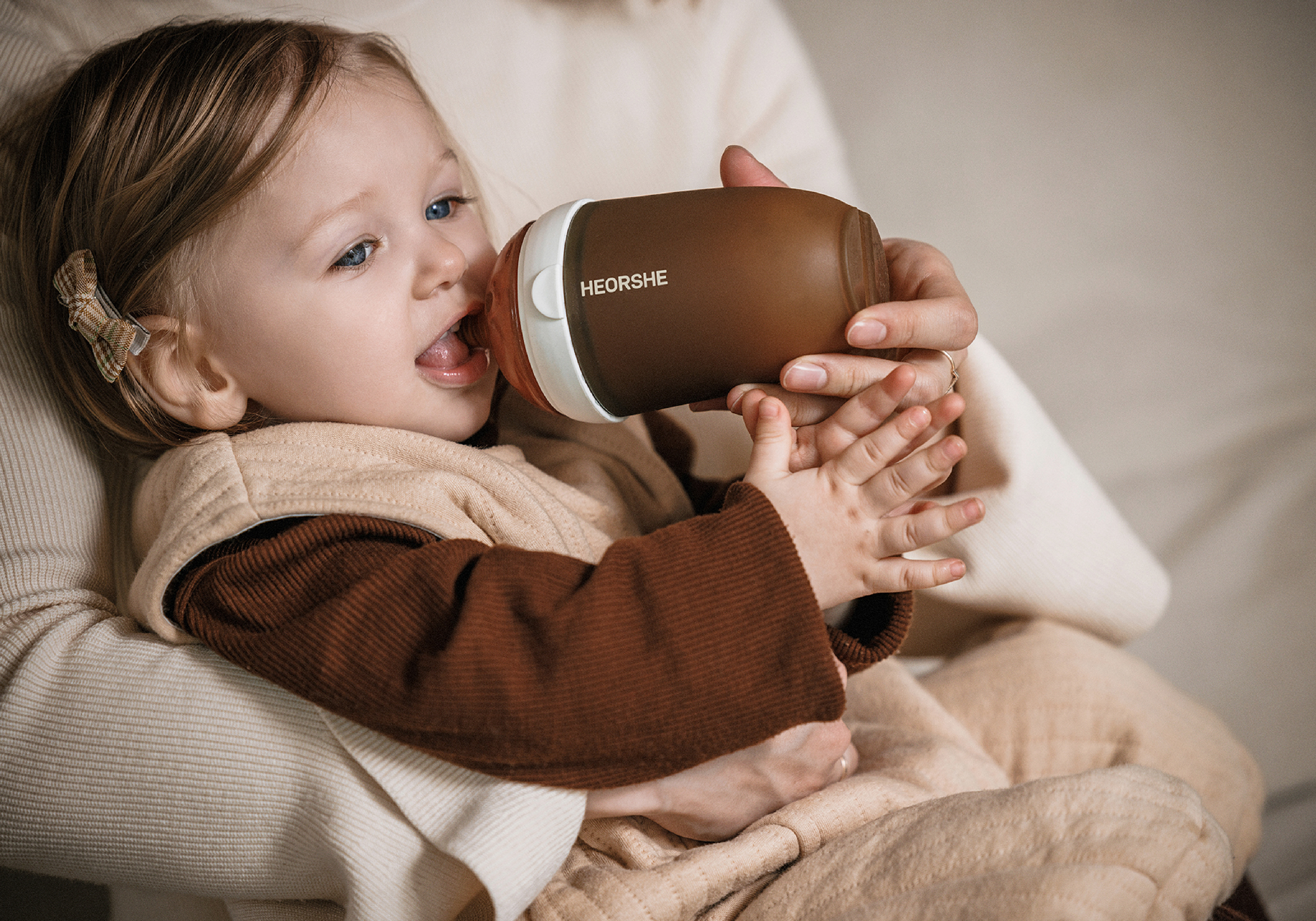
What Strategies Work Best for Getting Your Baby to Accept a Bottle?
Getting a baby to accept a bottle can sometimes be tricky, but there are several strategies that can help. Start by choosing the right time to introduce the bottle. It is often best to try when your baby is calm and not too hungry. This way, they are more open to trying something new without feeling too upset. You can also ask someone else, like your partner or a family member, to offer the bottle. Babies can sometimes smell their mother's milk and may refuse the bottle if they know it is close by.
Another helpful strategy is to use breast milk or formula that your baby is already used to. Fill the bottle with milk that smells familiar. This can help your baby feel more comfortable. You can also try warming the milk slightly, as some babies prefer it warm. Make sure to test the milk's temperature on your wrist before giving it to your baby.
You can also play with the bottle position. Sometimes, holding your baby in a slightly different way can make them more willing to try the bottle. Try cradling them like you would when breastfeeding, or hold them in an upright position. You can also gently encourage them to suck on the nipple by lightly touching it to their lips. Be patient; it might take several tries before your baby accepts the bottle.
Lastly, keep the experience calm and relaxed. If your baby seems upset, take a break and try again later. Every baby is different, so don't worry if it doesn't happen right away. With a little time and the right strategies, your baby will likely learn to enjoy their bottle.
What Are the Top Tips for Bottle Feeding a Reluctant Infant?
Feeding a reluctant infant can be a challenge, but there are some top tips that can make it easier. One important tip is to create a cozy feeding environment. Find a quiet and comfortable space where you and your baby can relax. Make sure the lighting is soft and the temperature is comfortable. You can even play gentle music or sing a lullaby to help soothe your baby while feeding.
Another tip is to choose the right newborn bottle and nipple size. As mentioned earlier, some babies prefer certain shapes and materials. The nipple should match your baby's sucking strength. For younger babies, a slow flow nipple is best, as it allows them to control the flow of milk. If the flow is too fast, they may become frustrated and refuse the bottle.
It's also helpful to keep the feeding sessions short and sweet at first. If your baby seems uninterested, don't force them to continue. Instead, try offering the bottle for just a few minutes and then take a break. You can try again later when your baby is more relaxed.
Additionally, stay calm and patient. Babies can pick up on their parents' emotions, so if you feel stressed or anxious, your baby may feel the same way. Take a deep breath and try to keep the atmosphere light. Lastly, make sure to choose the right time. Feeding your baby when they are not overly hungry or tired can make a big difference.
If you find that your baby still refuses the bottle, don't hesitate to reach out to your pediatrician for advice. Sometimes, they might have additional tips or suggestions based on your baby's needs. Remember, it's all about finding what works best for you and your baby. With patience and the right approach, bottle feeding can become a pleasant experience for both of you!
Table of Contents
- How to Encourage Your Infant to Take a Bottle Easily
- What Are the Best Bottles for Infants Transitioning from Breastfeeding?
- Where to Find Wholesale Infant Bottles That Babies Love
- What Strategies Work Best for Getting Your Baby to Accept a Bottle?
- What Are the Top Tips for Bottle Feeding a Reluctant Infant?