EN
EN AR
AR BG
BG HR
HR CS
CS DA
DA NL
NL FI
FI FR
FR DE
DE EL
EL HI
HI IT
IT JA
JA KO
KO NO
NO PL
PL PT
PT RO
RO RU
RU ES
ES SV
SV IW
IW ID
ID LV
LV LT
LT SR
SR SK
SK SL
SL UK
UK VI
VI ET
ET HU
HU TH
TH TR
TR FA
FA MS
MS BE
BE HY
HY AZ
AZ KA
KA MN
MN MY
MY KK
KK TG
TG UZ
UZ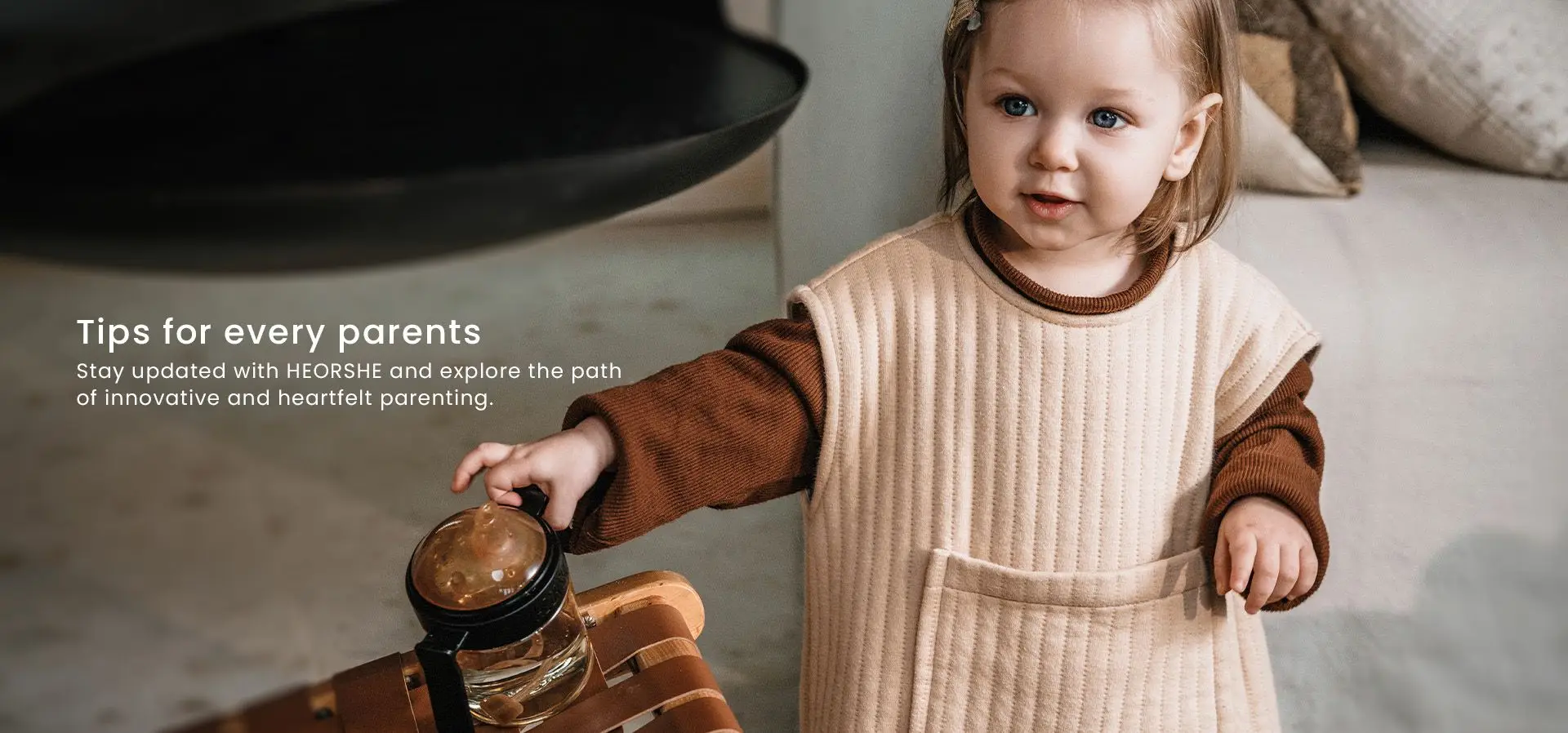
When a child says no, it may seem frustrating or even puzzling to a parent. But more often than not that little word bears more than denial. It may be a child who is attempting to demonstrate emotions he/she is not yet able to describe. It could be exhaustion, the desire to have control or just being overwhelmed. When we practice positive parenting, we put the brakes on before we act and take time to examine what is behind the behavior. This aids us to remain in contact and to react in a manner that is helpful to the feelings of the child as well as the relationship. It is at this point where real understanding starts.

Understanding the Meaning Behind “No” in Early Childhood
The no of the child in early childhood is not necessarily the no of the child who is saying no to what you are asking. So often it is their means of demonstrating that they are beginning to regard themselves as an independent individual. At the age of toddler and preschool years, children start experimenting with their voice. No is one of the easiest instruments they can use to communicate control even in minor activities such as eating, bathing or dressing. Make a very ordinary moment. A parent requests a 3-year-old to take a bath when he/she is done playing with Baby Toy . The child screams no and runs off. It might seem at first like defiance. However, when you stop and have a closer look; it may be that the child is still busy with his or her play and may not be willing to change the activity. Their brain is not prepared to make unexpected transitions. The no is actually saying, I don't want to put an end to what I enjoy just now or I need some more time. The other example is when the child does not want to put on a particular shirt. It does not necessarily have to be about being difficult, it can be about being comfortable. The cloth could be scratchy, or the color could be new. Young people of this age are learning to cope with physical emotions and emotional responses. They are not always sure of the words, and thus no is their way out. No can also be an expression of fatigue or exhaustion. A tired child might not even accept a basic command such as cleaning teeth or cleaning up the toys. In such instances, it is not about task refusal. Their energy is getting used up. Once parents begin to perceive no in a new light, the reaction is less forceful. You can say instead of pushing harder you see I see that you are not into it now and you can say, You don't feel like it right now, or You would rather do it together. This maintains the communication channel open and yet directs the child at the same time.
Encouraging Independence Through Everyday Choices
There is no need to make a child rely on a big lesson or a strict rule and help him/her become independent. It can begin with minor, daily decisions. Safe opportunities to make personal choices allow children to express their no not in the form of resistance, but the way to think, make a decision, and participate in everyday life. An example that a parent may observe during routines is that small choices can be so powerful. A child who brushes his teeth might not want to brush because he or she will suspect that he or she is being forced into doing it. But when you say, Do you want to brush your teeth before or after you get into pajamas the job does not seem as a commandment but as a plan with you. The aim remains the same, but the child is made to feel a part of the process. Even such simple day-to-day situations as deciding on which snack to eat or which book to read before going to sleep can make a child feel listened to. These minor decisions contribute to gaining confidence over time. Gradually, children begin to express themselves in a more relaxed manner of what they desire. Even when the decisions have been made, there will still be times when the answer is a no. That is normal. It is not failure, but practice. Kids are still in the process of getting used to managing decisions and feelings simultaneously. By giving small choices room, parents also minimize power struggles. The child is taught that his or her voice is important and the parent maintains subtle guidance. It is this equilibrium that aids in moving on into increasing independence.
Turning Resistance into Communication with Positive Parenting
It may seem like a struggle when a child puts up. No is a word that is usually quick, loud and unexpected. With positive parenting, this moment is not viewed as an opportunity to win, but rather to be a lesson learnt. It is very likely that resistance is disguised communication. A child, who does not want to go out of the playground, may not be attempting to disobey. They may be experiencing sadness in quitting something enjoyable. Rather than, We are leaving now, no farther, a gentler way to do it would be, I see you really want to stay. It is hard to stop when you are having any fun. Such a reaction makes the child feel listened to first and this usually reduces the tension. The other step after naming the feeling is to direct it gently. An example is, we can go back the next day but now it is time to go home. This does not violate the boundary yet the emotion of the child is honored. When children do not feel neglected and pushed through their emotions, they are more likely to cooperate. The other typical scenario is rejection in the day to day activities, such as in dressing or brushing teeth. Rather than monotone repeating instructions, it is possible to make pauses and relate. A parent may say, "Apparently you are not interested in doing this at this moment. Are you troubled about something? Other times it is just as easy as being tired or in need of assistance. On other occasions, the child simply needs attention and closeness. It is only by being calmly understood that resistance is weakening away. The child starts to learn that his or her feelings are not dangerous to be expressed even when there is no change in the answer. This establishes trust between the parent and child. With time, the children, guided this way, tend to be more successful in naming their feelings rather than acting them out. The no is not eradicated, it is rather transformed into one that is less confrontational and more conversation.
Empowering Toddlers with Self-Directed Drinking Habits
It is common to see many toddlers experiencing a period of difficulty in drinking water or milk. They might not take a cup you offer or drink when they feel like drinking. Rather than perceiving this as obstinate behavior, one would want to perceive it as learning to be independent. At this age, kids are more conscious of their own bodies and decisions, and alcohol consumption is one of the few places where they attempt to make some decisions. A simple example would be a toddler that continues to push away a sippy cup during meals. The parent may be concerned and continue insisting and in doing so will only result in further refusal. However, when the pressure decreases and the cup remains in reach, an interesting thing occurs. Most of the children will take it up themselves once they are ready. This minor gesture makes their own indications of thirst trusted. The other useful technique is to ensure that drinking is convenient and natural throughout the day. Rather than waiting until the child requests it, put a cup somewhere that he or she will be playing. When they view it frequently they start relating drinking to their rhythm not only when they are reminded as adults. Gradually they can begin to reach out to it without instructions. Other toddlers like to have a choice of two cups such as a small colorful cup or a plain clear cup. It is not so much about the cup, but providing them with a feeling of control. Children are less prone to oppose routine when they feel incorporated in minor decisions. There will still be days that they will drink very little or even refuse. That is where part of the process is. Rather than making it a battle, it is more effective to provide gentle reminders and have water on hand, instead of stressing. When toddlers are held in such a manner, they gradually get to listen to their own signals. They learn to drink with increasing assurance not something imposed on them.
Support Emotional Growth with Thoughtful, Child-Led Design
Space teaches children a lot. The manner of how a room is arranged, what they can access and the ease with which they can use their individual possessions all determine the manner in which they feel and act. They will tend to relax and be more cooperative when the environment favors them. This is where silent child-led design can help emotional development. Consider the bedroom of the child. When everything is too high then the child always requires assistance. In the long run, it may result in frustration or increase in no moments, not because they are opposing, but because they feel pathetic. Now use your imagination and visualize the same room with short shelves, plain baskets and clothes that can be accessed by them. The child is able to pick a toy, select clothes or put things away without seeking the attention of an adult. This minor change builds confidence gradually. The same concept is applicable in common places such as the living room. By keeping the toys in open baskets rather than closed boxes, a child may easily access the toys and also get to know how to put them back after playing. Children will participate when they find tasks accessible rather than resorting to resistance. Simple adaptations can help make everyday activities easier, such as step stools in the bathroom or low shelves in the kitchen. A child who is able to wash his hands or get water without requesting every time, feels more competent. This feeling that I can do it frequently diminishes resistance in the daily chores. An example in real life is a toddler who will never clean up toys. The parent modifies the set up by having labelled bins on the floor with simple pictures instead of constant reminders. With time, this child starts to associate toys with bins in play. Cleanup gradually becomes an activity rather than a distinct requirement. Child-led design does not mean to give complete freedom. It is concerned with the creation of the environment where children will be able to safely gain independence. Once they believe that they can handle the world around them, emotional tension is reduced and the daily instances of saying no are usually easier to manage.