
Author: Carlos Silva min read 2025-05-21
Contributors: Zach Paruch and Christine Skopec
As your baby grows and develops, their feeding needs evolve too. One of the most commonly overlooked adjustments in baby feeding is the baby bottle nipple. Parents often wonder when to change baby bottle nipple size, how to choose the correct baby bottle nipples sizes, and what the different flow levels mean. Making the right choice can have a major impact on feeding success, comfort, and even your baby's digestive health.
In this comprehensive guide, we’ll explore everything you need to know about baby bottle nipple options—from understanding flow rates to identifying the signs your baby is ready for a size change. Whether you’re a first-time parent or an experienced caregiver, this guide will help you navigate the world of baby bottle nipples sizes with confidence.
The baby bottle nipple is the part of the bottle that goes into your baby's mouth and controls the flow of milk or formula. These nipples are typically made from silicone or latex and are available in a variety of shapes, sizes, and flow rates. They are designed to simulate the natural feeding experience and help your baby feed comfortably and efficiently. Choosing the right nipple is crucial to ensuring that your baby feeds effectively, avoids swallowing too much air, and transitions smoothly from breast to bottle if necessary.
Modern baby bottles and nipples come with features like anti-colic vents, orthodontic shapes, and wide bases to better mimic breastfeeding. With so many options on the market, understanding the basics of baby bottle nipples is the first step toward making an informed choice.
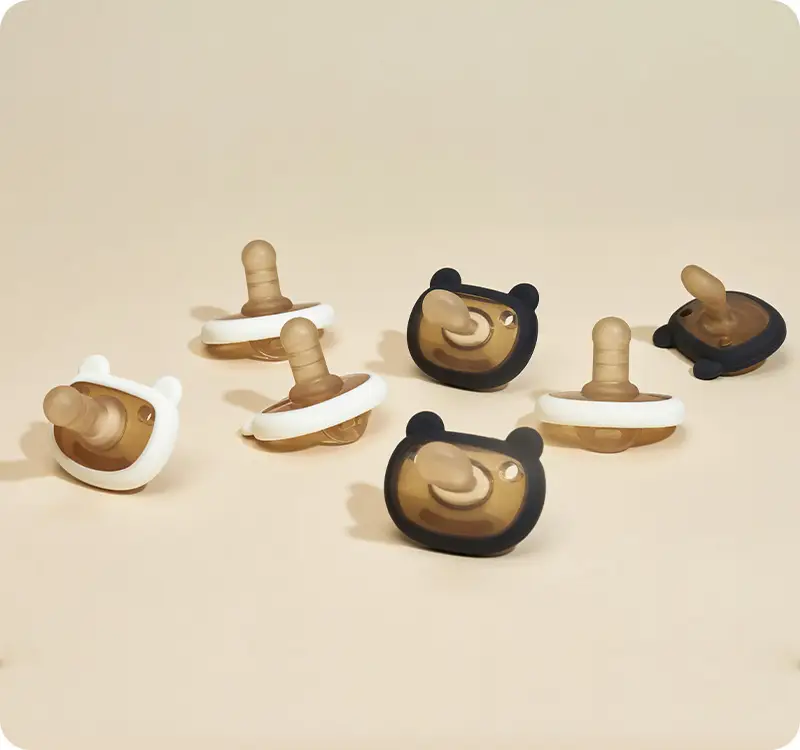
The size and flow rate of the baby bottle nipple are essential to proper feeding. Nipple size refers not only to the physical size but also to the size of the hole, which determines how fast or slow the milk flows.
If the nipple size is too small, the baby may struggle to get enough milk, leading to frustration and longer feeding times. Conversely, a nipple that is too large may allow milk to flow too quickly, causing the baby to gulp, choke, or spit up. Both scenarios can lead to feeding discomfort, gas, and potential digestive issues.
Using the correct nipple size helps regulate feeding speed, ensures proper intake, and reduces feeding-related problems like colic. This is why understanding when to change baby bottle nipple size is critical for supporting your baby’s feeding journey.
Baby bottle nipples come in different flow rates to match your baby's age, development, and feeding ability. These flow rates are commonly categorized as follows:
● Preemie Flow: Designed for premature infants or very young newborns. The flow is extremely slow to prevent aspiration and choking.
● Newborn or Slow Flow (Level 1): Suitable for babies aged 0–3 months. The flow mimics the natural pace of breastfeeding.
● Medium Flow (Level 2): Ideal for babies aged 3–6 months. This flow allows for faster feeding without overwhelming the baby.
● Fast Flow (Level 3 or 4): For babies over 6 months who are eating more and may also be starting solid foods.
● Variable Flow: The flow rate adjusts based on the baby’s sucking strength. Some nipples are marked with different flow symbols and can be rotated to adjust the speed.
Flow levels vary slightly by brand, so it's important to check manufacturer guidelines and observe your baby's response to each type.
Let’s take a closer look at the common baby bottle nipples sizes and what each is best suited for:
| Nipple Size | Flow Rate | Age Range | Best For |
| Preemie | Extra Slow | 0–1 month | Premature or very young infants needing extra control |
| Newborn | Slow | 0–3 months | Exclusively bottle-fed or transitioning from breast feeding |
| Level 2 | Medium | 3–6 months | Babies feeding more efficiently, growing stronger |
| Level 3 | Fast | 6+ months | Babies who can handle faster milk flow, or eat solids |
| Level 4 | Faster | 9+ months | Advanced feeders or those on thickened milk/formula |
| Y-Cut/Variable | Adjustable | Any age | Babies with specific feeding needs or drinking thick liquids |
These sizes are guidelines and not strict rules. Some babies may need a faster flow earlier or may stay with a slower flow longer depending on their development, comfort, and feeding technique.
One of the most important questions new parents have is when to change baby bottle nipple size. Here are clear signs that indicate it’s time for a change:
If your baby is taking more than 30 minutes to finish a bottle and appears tired or frustrated, the nipple flow may be too slow.
Feeding that is too laborious can cause your baby to fall asleep before they’re full.
Babies who seem fussy, impatient, or are constantly sucking hard without much milk intake may need a faster flow.
Older babies may chew the nipple due to teething or frustration with a slow flow.
This can be a sign that the flow is too fast and the baby is struggling to swallow properly.
Swallowing too much air or drinking too quickly can lead to digestive discomfort and regurgitation.
If your baby was previously feeding well but now refuses the bottle, the nipple may no longer be suitable.
Changing nipple sizes should be done with care to avoid overwhelming your baby. Here are some tips to ease the transition:
Review the signs mentioned earlier. A baby who seems unsatisfied after feeding or who becomes fussy may be ready for the next level.
Try the new nipple when your baby is not overly hungry or sleepy. This reduces frustration and allows them to adjust gradually.
After introducing a new size, observe your baby for signs of distress, coughing, choking, or gulping.
Start with smaller amounts of milk to see how your baby handles the faster flow before transitioning fully.
Some babies need a few days to adjust. Don’t be discouraged if the first attempt doesn’t go smoothly.
Q1: How often should I change my baby's bottle nipple size?
A1: Every baby is different, but a general guideline is every 2 to 3 months or when you notice signs that the current size isn't working.
Q2: Can I skip nipple sizes?
A2: Yes, especially if your baby adjusts well to the new flow. However, always monitor for signs of discomfort.
Q3: What if my baby prefers a slower flow?
A3: Some babies, particularly breastfed ones, may prefer a slower flow. That’s okay as long as they’re feeding well and gaining weight.
Q4: Do different brands have the same nipple sizes?
A4: Not necessarily. Always refer to the manufacturer’s flow chart and guidance.
Q5: When should I replace bottle nipples?
A5: Replace them every 1 to 2 months, or sooner if you notice signs of wear like discoloration, thinning, or cracks.
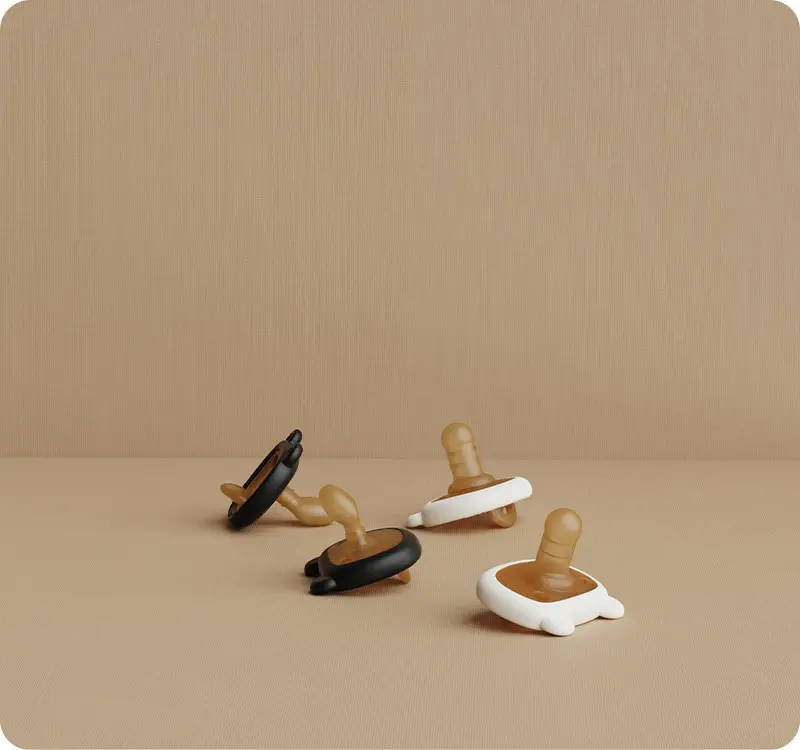
1. Consider Your Baby's Age and Feeding Habits
Match the nipple flow to your baby’s development stage and feeding behavior.
2. Choose the Right Material
Silicone is more durable and easier to clean. Latex is softer but may wear out faster or trigger allergies.
3. Look for Anti-Colic Features
Nipples with built-in vents or designed to reduce air intake can help minimize gas and colic.
4. Try Different Shapes
Wide, breast-like nipples may help with breastfeeding transitions, while standard ones may be more familiar for bottle-fed babies.
5. Read Reviews and Seek Recommendations
Other parents' experiences can provide helpful insights into what might work for your baby.
Understanding baby bottle nipple sizes and knowing when to change baby bottle nipple size is essential to your baby's feeding success. While manufacturers provide age-based guidelines, your baby's cues are the most important factor in determining the right time to switch. Each child develops at their own pace, and being attentive to signs of readiness can make all the difference.
A well-chosen baby bottle nipple promotes healthy feeding habits, reduces stress for both baby and parent, and helps ensure proper nutrition. With careful observation, a bit of trial and error, and a willingness to adapt, you'll find the best nipple for every stage of your baby’s growth journey.
Heorshe identifies itself as a new generation baby brand. We are inspired by a beautiful vision: that baby products can pursue the trendy fashion style while ensuring an extremely safe material and smooth user experience.
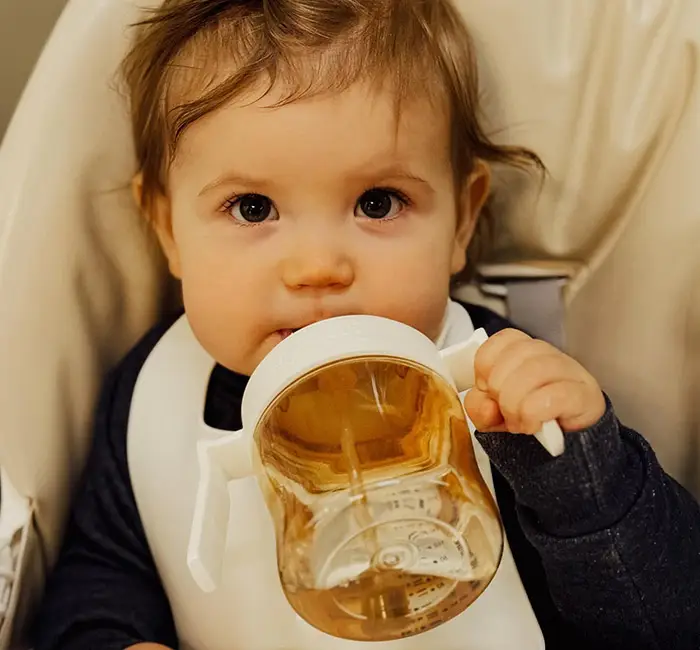
Learn effective tips to help your baby transition to a sippy cup. HEORSHE offers quality solutions with polyurethane waterproof coating, manufacturer in China.

Learn when and how to introduce a sippy cup to your child with tips from HEORSHE, a manufacturer in China of polyurethane waterproof coating.
Discover how rice cereal may aid your baby's sleep. HEORSHE, a manufacturer in China, also specializes in polyurethane waterproof coating.

Explore the pros and cons of giving your baby a pacifier. Learn from HEORSHE, a manufacturer in China of polyurethane waterproof coating, urethane waterproofing, pu coating for waterproofing.
 EN
EN AR
AR BG
BG HR
HR CS
CS DA
DA NL
NL FI
FI FR
FR DE
DE EL
EL HI
HI IT
IT JA
JA KO
KO NO
NO PL
PL PT
PT RO
RO RU
RU ES
ES SV
SV IW
IW ID
ID LV
LV LT
LT SR
SR SK
SK SL
SL UK
UK VI
VI ET
ET HU
HU TH
TH TR
TR FA
FA MS
MS BE
BE HY
HY AZ
AZ KA
KA MN
MN MY
MY KK
KK TG
TG UZ
UZ