Author: Carlos Silva min read 2025-03-12
Contributors: Zach Paruch and Christine Skopec
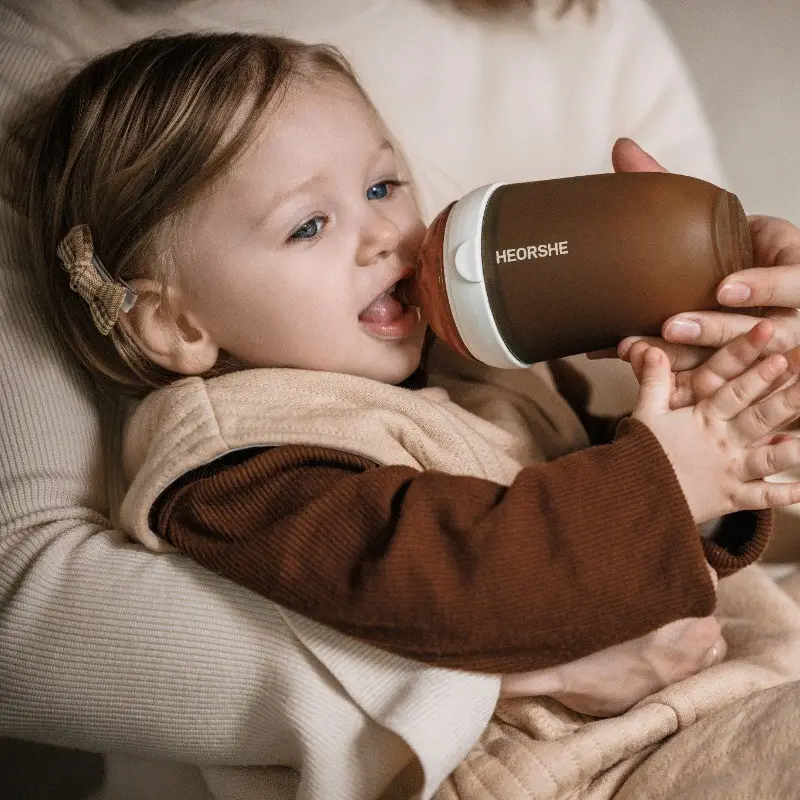
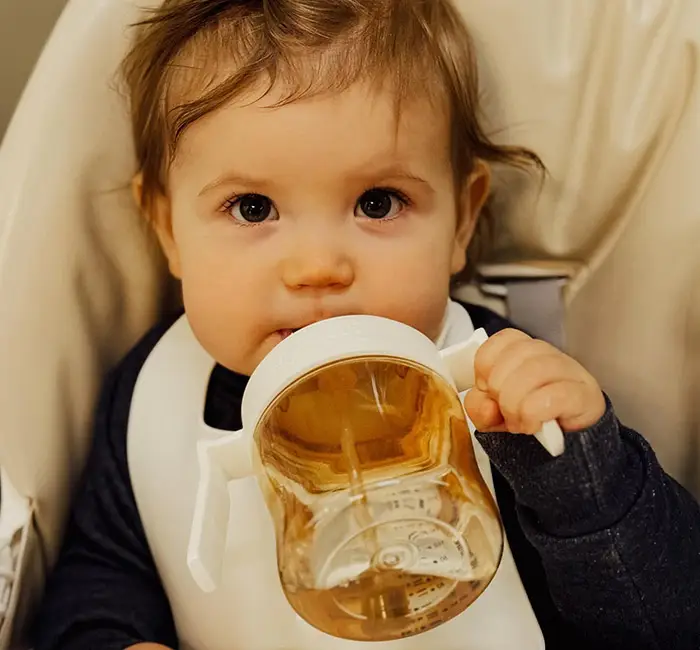
Transitioning from bottle or breastfeeding to a sippy cup is an important milestone in your baby’s development. It encourages independence, improves oral motor skills, and helps prevent prolonged bottle dependency. But when is the right time to introduce a sippy cup? What type should you choose? And how do you make the transition smooth?
In this comprehensive guide, we’ll explore the best time to introduce a sippy cup, signs your baby is ready, and how the HEORSHE Sippy Cup can help with a hassle-free transition.
A sippy cup is a transitional drinking tool designed to help babies shift from bottles or breastfeeding to regular cups. They usually come with a spout, straw, or 360-degree rim to prevent spills while allowing little ones to drink independently.
Sippy cups come in different materials, such as BPA-free plastic, silicone, or stainless steel, and have varying features like soft spouts, weighted straws, or leak-proof designs. Choosing the right one depends on your baby’s age, motor skills, and preferences.
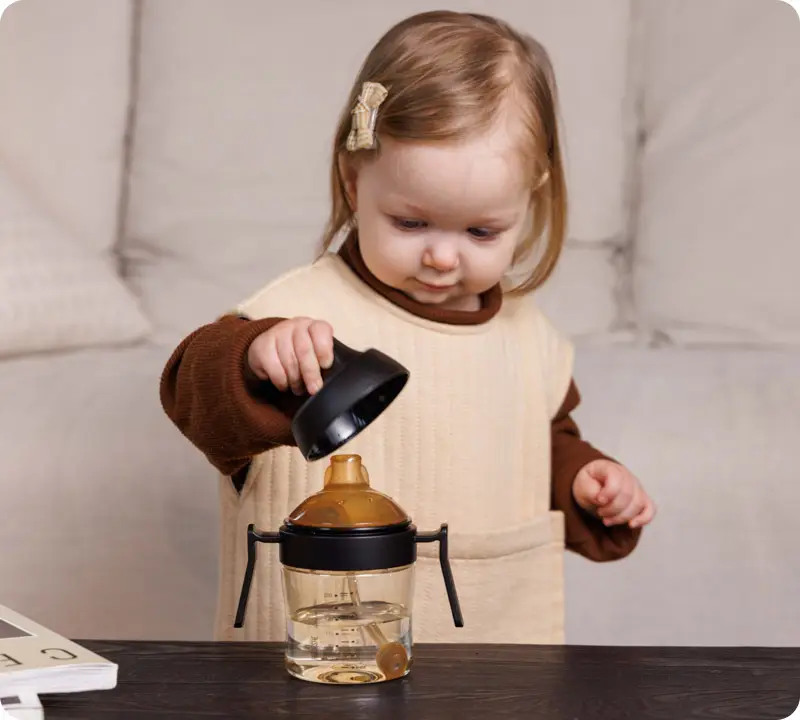
The American Academy of Pediatrics (AAP) recommends introducing a sippy cup around 6 months of age, typically when babies begin eating solid foods. This transition helps babies develop drinking skills while gradually moving away from bottles. However, the exact timing can vary depending on each baby's developmental readiness. Some may show interest earlier, while others may take longer to adapt.
Your baby might be ready to use a sippy cup if they:
● Can sit upright with little or no support, which allows for better control while drinking.
● Show curiosity about cups, such as reaching for your drink or trying to mimic your actions.
● Have developed hand-eye coordination, enabling them to grasp and hold objects securely.
● Can manage small sips of liquid without excessive choking or spilling.
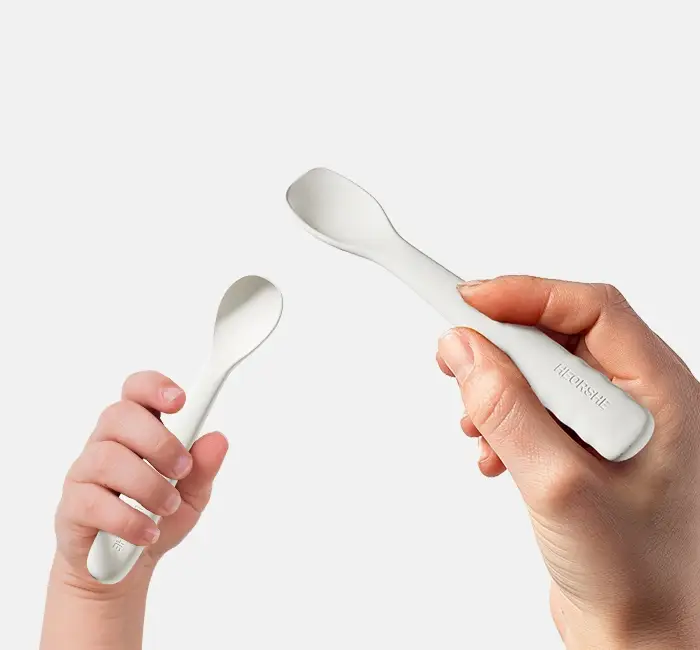
● Are eating solids and using a spoon, as these skills indicate readiness for independent drinking.
If your baby shows these signs, you can introduce a sippy cup with a small amount of water, breast milk, or formula. Choose a spill-proof, soft-spout, or straw cup for an easier transition. If your baby resists, don’t worry—simply wait a few weeks and try again. Every baby develops at their own pace, so patience and encouragement are key. Transitioning gradually will help your child build confidence and master this new skill.
Switching from a bottle to a sippy cup is an essential milestone in your baby’s development, offering multiple benefits for oral health, motor skills, and independence.
Extended bottle use can lead to baby bottle tooth decay, as prolonged exposure to milk or juice allows sugars to pool around the teeth, increasing the risk of cavities. A sippy cup encourages quick sipping rather than constant sucking, reducing the chances of decay.
Using a sippy cup—especially one with a straw or 360-degree rim—helps strengthen the tongue, lips, and jaw muscles, which are essential for speech development. Proper muscle movement fosters better pronunciation and articulation as your child grows.
Sippy cups promote self-feeding skills by allowing babies to grasp and control their own drinking. This improves hand-eye coordination and fine motor skills, fostering confidence in independent eating and drinking.
Unlike open cups, sippy cups minimize spills and leaks, making it easier for babies to transition to regular drinking. They provide a middle step between the bottle and an open cup, helping toddlers learn without frustration.
Gradually introducing a sippy cup can make bottle weaning smoother and less stressful. Replacing bottles with a cup helps babies adjust to new drinking methods, reducing dependence on bottles as they grow.
By transitioning at the right time, you can support your baby's health, development, and confidence in drinking independently.
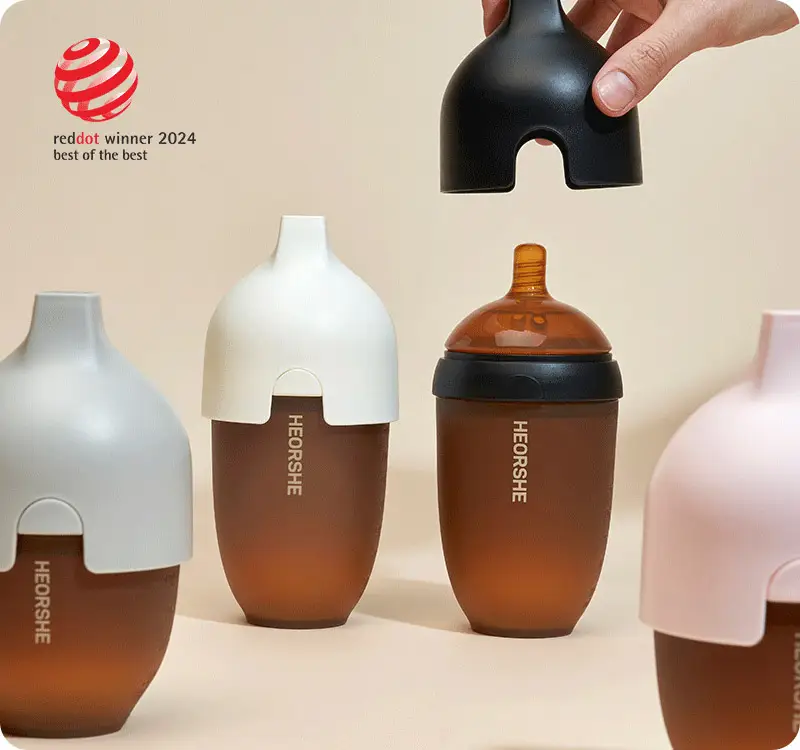
There are various types of sippy cups, and choosing the right one depends on your baby's needs.
Have soft or hard spouts.
Good for beginners.
Mimics bottle nipples but encourages sipping.
Helps develop oral muscles.
Reduces the risk of teeth misalignment.
Ideal for babies who can suck from a straw.
Allows drinking from any side.
No spout, reducing the risk of oral issues.
Helps babies transition to open cups.
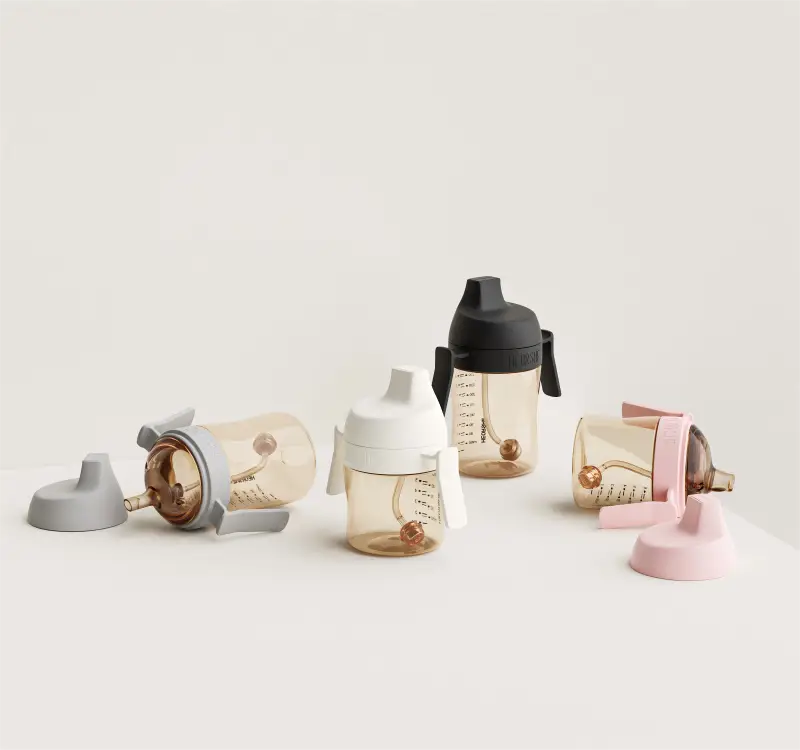
The HEORSHE Sippy Cup is an excellent choice for transitioning babies. It features:
● Soft silicone spout that is gentle on gums.
● Leak-proof design to prevent spills.
● Ergonomic handles for easy gripping.
● BPA-free and safe materials for healthy drinking.
● Easy-to-clean parts for busy parents.
Many parents love the HEORSHE Sippy Cup for its durability and comfort, making it a top choice for weaning babies.
Introducing a sippy cup requires patience and a gradual approach to help your baby adjust comfortably. Here are some tips to make the transition smoother:
To encourage acceptance, fill the sippy cup with breast milk, formula, or water—the same liquids your baby is already used to. Avoid introducing new drinks right away, as too much change at once can be overwhelming.
Babies learn by watching and imitating. Show them how to drink from the sippy cup by taking small sips yourself. You can also guide their hands to tilt the cup or gently press the spout against their lips to help them understand how it works.
Associate the sippy cup with solid food meals to make drinking from it a natural habit. Offering it alongside meals reinforces its purpose and helps establish a routine.
Instead of an abrupt switch, start by replacing one bottle-feeding session with a sippy cup. Gradually increase the number of sippy cup feedings over time, allowing your baby to adjust at their own pace.
Choose a colorful, easy-to-hold cup, such as the HEORSHE Sippy Cup, to make the transition more engaging. A fun design can capture your baby’s interest, encouraging them to explore and enjoy drinking from their new cup.
With consistency and encouragement, your baby will gradually master the sippy cup, making the transition smooth and successful.
Common Challenges and Solutions
Solution: Try different cup styles, such as straw or spout cups, and ensure the spout is soft for comfort.
Solution: Opt for a leak-proof cup and supervise your baby while they drink.
Solution: Gradually reduce bottle feedings and encourage drinking from a sippy cup by offering small sips.
Solution: Choose a cup with ergonomic handles like the HEORSHE Sippy Cup for an easy grip.
When to Transition from a Sippy Cup to an Open Cup?
Most experts recommend weaning off the sippy cup by 12-18 months and transitioning to an open cup. The sooner your baby learns to drink from an open cup, the better it is for their oral development.
Introducing a sippy cup is a crucial step in your baby’s growth. The ideal time to start is around 6 months, but each baby is different. Choosing the right cup, like the HEORSHE Sippy Cup, ensures a smooth and comfortable transition.
Patience is key—every baby learns at their own pace. With encouragement, consistency, and the right tools, your little one will master independent drinking in no time!
Would you like recommendations on the best sippy cups for different ages? Let us know in the comments!
Heorshe identifies itself as a new generation baby brand. We are inspired by a beautiful vision: that baby products can pursue the trendy fashion style while ensuring an extremely safe material and smooth user experience.
Learn effective tips to help your baby transition to a sippy cup. HEORSHE offers quality solutions with polyurethane waterproof coating, manufacturer in China.

Learn when and how to introduce a sippy cup to your child with tips from HEORSHE, a manufacturer in China of polyurethane waterproof coating.
Discover how rice cereal may aid your baby's sleep. HEORSHE, a manufacturer in China, also specializes in polyurethane waterproof coating.

Explore the pros and cons of giving your baby a pacifier. Learn from HEORSHE, a manufacturer in China of polyurethane waterproof coating, urethane waterproofing, pu coating for waterproofing.
 EN
EN AR
AR BG
BG HR
HR CS
CS DA
DA NL
NL FI
FI FR
FR DE
DE EL
EL HI
HI IT
IT JA
JA KO
KO NO
NO PL
PL PT
PT RO
RO RU
RU ES
ES SV
SV IW
IW ID
ID LV
LV LT
LT SR
SR SK
SK SL
SL UK
UK VI
VI ET
ET HU
HU TH
TH TR
TR FA
FA MS
MS BE
BE HY
HY AZ
AZ KA
KA MN
MN MY
MY KK
KK TG
TG UZ
UZ