Author: Carlos Silva min read 2024-07-15
Contributors: Zach Paruch and Christine Skopec
Sterilizing silicone feeding bottles is crucial for maintaining hygiene and ensuring the safety of your baby. Here are several effective methods to sterilize silicone feeding bottles:
Disassemble the Bottles: Separate all parts of the bottle, including nipples, rings, and caps.
Wash Thoroughly: Clean all parts with warm soapy water and rinse well to remove any milk residue.
Boil Water: Fill a large pot with water and bring it to a rolling boil.
Submerge Bottles: Carefully place all the bottle parts in the boiling water. Make sure they are fully submerged.
Boil for 5-10 Minutes: Let the parts boil for 5-10 minutes to ensure they are thoroughly sterilized.
Remove and Cool: Use tongs to remove the parts from the water and place them on a clean, dry surface or a sterilized drying rack to cool.
Disassemble and Clean: Separate all parts and wash them thoroughly with warm soapy water. Rinse well.
Use a Steam Sterilizer: Place the bottle parts into an electric steam sterilizer or a microwave steam sterilizer according to the manufacturer's instructions.
Add Water: Add the appropriate amount of water to the sterilizer.
Run the Sterilizer: Follow the manufacturer's instructions for the duration of the sterilization cycle, usually around 5-15 minutes.
Cool and Dry: Once the cycle is complete, let the parts cool before using or storing them.
Disassemble and Clean: Separate all parts and wash them thoroughly with warm soapy water. Rinse well.
Use Microwave Sterilization Bags: Place the bottle parts into a microwave sterilization bag or container designed for microwave use.
Add Water: Add the recommended amount of water to the bag or container.
Microwave: Follow the manufacturer's instructions for microwaving, typically around 3-5 minutes.
Cool and Dry: Let the parts cool before removing them from the microwave bag or container.
Disassemble and Clean: Separate all parts and wash them thoroughly with warm soapy water. Rinse well.
Place in UV Sterilizer: Arrange the bottle parts inside a UV sterilizer.
Run the Sterilizer: Follow the manufacturer's instructions for the sterilization cycle, usually around 5-10 minutes.
Store or Use: Once the cycle is complete, the parts are ready for use or storage.
Disassemble and Clean: Separate all parts and wash them thoroughly with warm soapy water. Rinse well.
Prepare Sterilizing Solution: Follow the instructions on the sterilizing tablets or liquid to prepare the solution in a sterilizing container.
Submerge Bottles: Place all parts in the solution, ensuring they are fully submerged.
Soak: Allow them to soak for the recommended time, usually around 30 minutes.
Rinse and Dry: After soaking, rinse the parts with boiled or filtered water and let them dry on a clean, sterilized surface.
Regular Cleaning: Always wash the bottles thoroughly before sterilizing them.
Check for Damage: Regularly inspect the bottles and nipples for any signs of wear or damage and replace them if necessary.
Storage: After sterilizing, store the bottles in a clean, dry, and covered container to maintain their sterility until use.
By following these methods, you can ensure that your silicone feeding bottles are effectively sterilized and safe for your baby to use.
Heorshe identifies itself as a new generation baby brand. We are inspired by a beautiful vision: that baby products can pursue the trendy fashion style while ensuring an extremely safe material and smooth user experience.
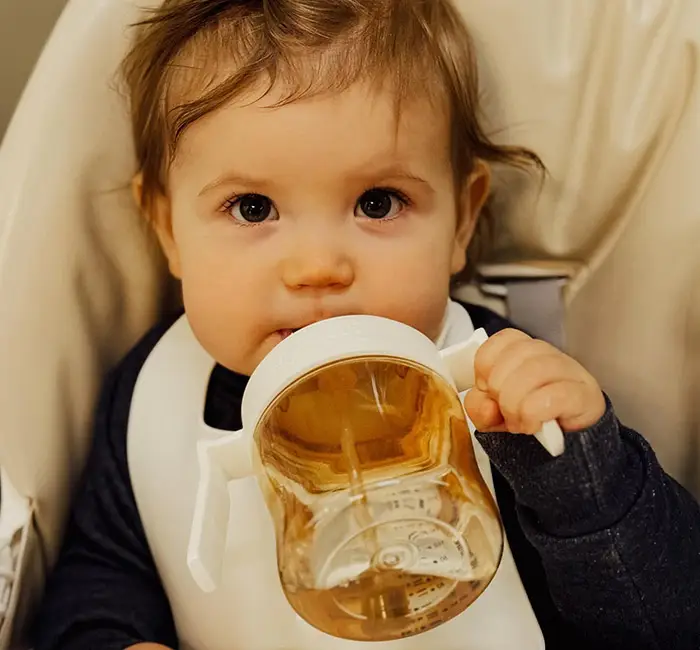
Learn effective tips to help your baby transition to a sippy cup. HEORSHE offers quality solutions with polyurethane waterproof coating, manufacturer in China.

Learn when and how to introduce a sippy cup to your child with tips from HEORSHE, a manufacturer in China of polyurethane waterproof coating.
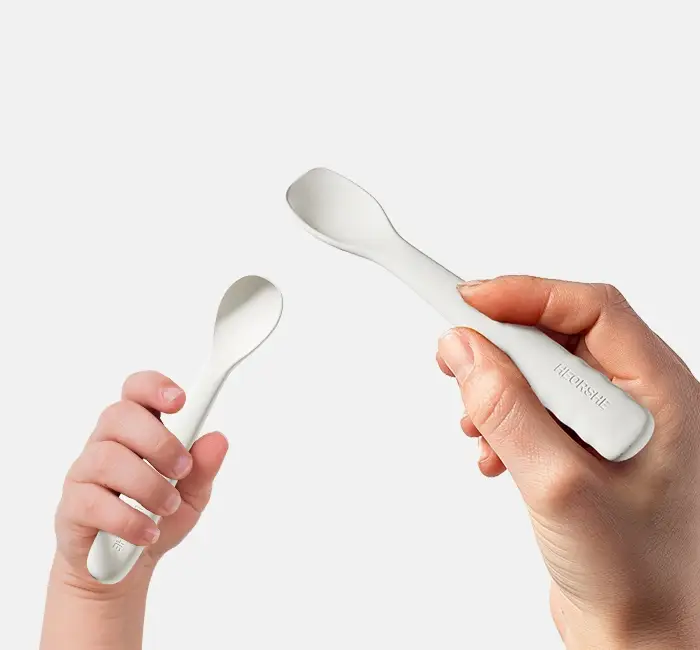
Discover how rice cereal may aid your baby's sleep. HEORSHE, a manufacturer in China, also specializes in polyurethane waterproof coating.

Explore the pros and cons of giving your baby a pacifier. Learn from HEORSHE, a manufacturer in China of polyurethane waterproof coating, urethane waterproofing, pu coating for waterproofing.
 EN
EN AR
AR BG
BG HR
HR CS
CS DA
DA NL
NL FI
FI FR
FR DE
DE EL
EL HI
HI IT
IT JA
JA KO
KO NO
NO PL
PL PT
PT RO
RO RU
RU ES
ES SV
SV IW
IW ID
ID LV
LV LT
LT SR
SR SK
SK SL
SL UK
UK VI
VI ET
ET HU
HU TH
TH TR
TR FA
FA MS
MS BE
BE HY
HY AZ
AZ KA
KA MN
MN MY
MY KK
KK TG
TG UZ
UZ