
Author: Carlos Silva min read 2025-06-30
Contributors: Zach Paruch and Christine Skopec
Feeding your baby is one of the most fundamental caregiving responsibilities and can be a source of great joy and bonding. However, bottle feeding presents its own set of challenges, especially when it comes to selecting the appropriate nipple. One of the most important—and often overlooked—factors is choosing the correct nipple sizes for baby bottles. The right nipple size directly influences how comfortably and effectively your baby feeds. Additionally, knowing when to change the nipple size on a baby bottle is critical to avoid feeding issues and ensure your baby's nutritional needs are met.
In this comprehensive guide, we delve deep into everything you need to know about baby bottle nipple sizes: how to choose them, when to change them, how to observe your baby's cues, and what to do during transitions.
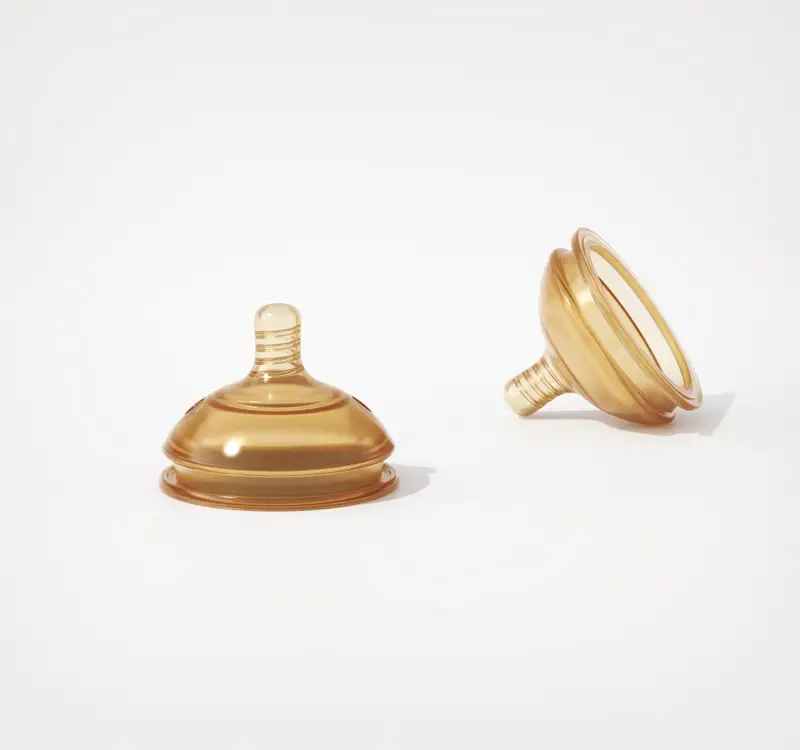
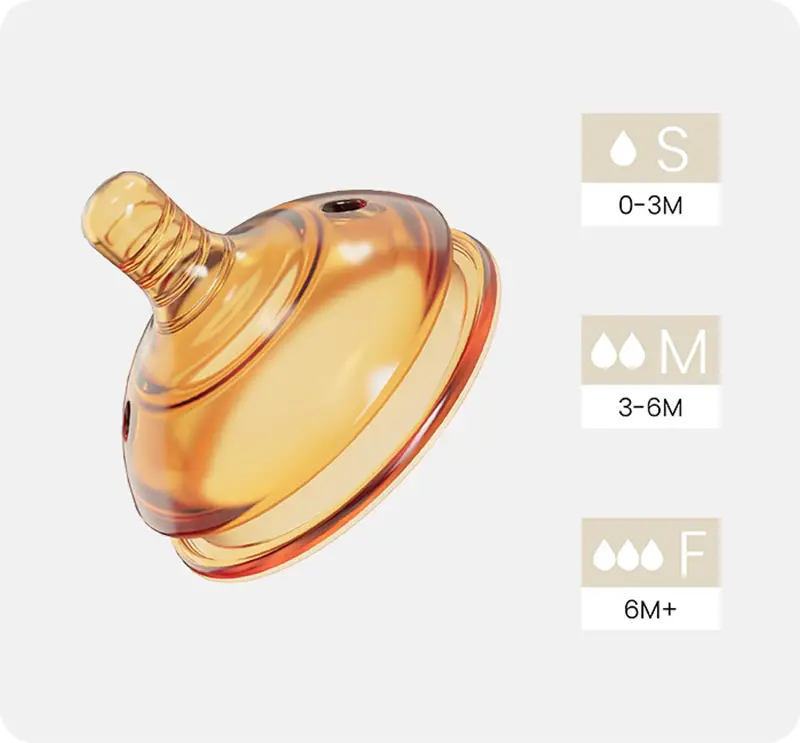
The term "nipple sizes" refers to the flow rate and physical design of the bottle nipple. Different sizes allow milk or formula to flow at varying speeds. The idea is to match the nipple flow to your baby’s developmental stage and feeding ability.
| Size | Age Range | Flow Rate |
| Newborn/Stage 0 | 0–1 month | Extra slow or preemie flow |
| Stage 1 | 0–3 months | Slow flow |
| Stage 2 | 3–6 months | Medium flow |
| Stage 3 | 6+ months | Fast flow |
| Y-Cut / Variable | 6+ months / thick liquids | Adjustable flow |
Keep in mind that these are general guidelines. Each baby is different, and some may need faster or slower flow than what’s standard for their age group. Also, different brands may use different terminology, so always consult the manufacturer's sizing chart.
The correct nipple sizes for baby bottles ensure that your baby feeds at a comfortable pace, reducing the risk of common feeding problems.
● Too Fast Flow: Can cause choking, coughing, or an overwhelmed baby.
● Too Slow Flow: May lead to fatigue, frustration, or prolonged feeding times.
● Efficient and satisfying feeding sessions
● Better digestion and less gas
● Reduced colic and spit-up
● Enhanced sleep patterns due to full feeding
● Smooth transition between breast and bottle for breastfed babies
Choosing the right size improves not just the feeding experience but also your baby's health and happiness.
Flow rate is arguably the most crucial aspect of nipple sizing. It determines how quickly milk exits the nipple when your baby sucks.
● Extra slow flow: Suitable for preemies or newborns with weaker sucking reflexes
● Slow flow: Ideal for young infants and breastfeeding transitions
● Medium flow: For babies with stronger sucking and more feeding experience
● Fast flow: Meant for older infants who can handle higher volumes quickly
● Variable flow: Y-cut nipples adjust flow based on suction strength and are great for thick liquids
Manufacturers test nipples for consistency, but babies ultimately decide what works. Pay close attention to your baby’s reactions during feedings.
Knowing when to change the nipple size on a baby bottle is crucial for your baby's comfort and effective feeding.
1. Baby Seems Frustrated: Fussiness or crying during feeding may mean milk isn’t coming fast enough.
2. Extended Feeding Times: If feedings take more than 30 minutes, the nipple might be too slow.
3. Frequent Sucking Breaks: Your baby may be trying too hard to get milk.
4. Falling Asleep During Feeds: An overexerted baby may tire out before finishing.
5. Chewing the Nipple: Could indicate teething or readiness for a faster flow.
6. Collapsing Nipples: Suction causes the nipple to cave in, disrupting milk flow.
● Coughing or choking on milk
● Excessive spitting up
● Refusal to feed
● Milk dripping from the mouth
Make changes slowly and observe your baby's comfort level closely.
Manufacturers provide age-based guidelines to help parents choose appropriate nipple sizes for baby bottles, but every baby is unique.
● 0 to 2 Months: Extra slow or slow flow
● 2 to 4 Months: Medium flow
● 4 to 6 Months: Fast flow
● 6+ Months: Y-cut or variable flow for cereals and thickened liquids
These recommendations should be used alongside behavioral observations to determine when to change the nipple size on a baby bottle.
Switching nipple sizes isn’t always smooth. Babies can be creatures of habit and might resist changes.
● Introduce Gradually: Start with one feeding a day using the new size.
● Mix Sizes: Alternate between old and new nipples for a few days.
● Monitor Closely: Watch for signs of discomfort, choking, or refusal.
● Be Patient: Give your baby time to adjust. It could take a few days.
● Create a Positive Experience: Feed when baby is happy and calm, not overly hungry.
Smooth transitions help prevent feeding aversions and support your baby's comfort.
Some babies require nipples designed for specific conditions, and choosing the right one is just as important as selecting the right size.
● Anti-colic nipples: Designed with air vents to reduce swallowed air
● Orthodontic nipples: Shaped to support natural oral development
● Wide-neck nipples: Mimic the breast and reduce nipple confusion
● Premature baby nipples: Softer and smaller for more delicate feeding needs
Even with specialized designs, it's essential to monitor when to change the nipple size on a baby bottle as your baby grows.
Keeping nipples clean and in good condition is vital for your baby's health and proper feeding.
● Sterilize regularly: Especially for newborns
● Use nipple brushes: To clean inside the nipple properly
● Avoid harsh detergents: Use baby-safe soap
● Dry completely: Before storing to prevent mold
● Inspect for damage: Look for cracks, thinning, or stickiness
● Replace every 1–2 months: Or immediately if you notice signs of wear
Clean, well-maintained nipples ensure optimal flow and hygiene, regardless of size.
Q1. Can I use a faster flow nipple for a newborn?
A1: Generally, no. It may overwhelm them. Start slow and monitor.
Q2. How will I know if the nipple size is too small?
A2: Look for signs of frustration, long feeds, or falling asleep during feeding.
Q3. Is chewing the nipple a teething sign or a flow issue?
A3: It could be either. Try a teether first, and if feeding behavior persists, consider sizing up.
Q4. Can I mix different brands of nipples and bottles?
A4: Only if the manufacturer confirms compatibility. A mismatch can lead to leakage or feeding problems.
Q5. My baby is leaking milk from the mouth. What should I do?
A5: This may indicate the nipple flow is too fast. Consider going back to a smaller size.
Choosing the right nipple sizes for baby bottles is not a one-time decision but an ongoing process that evolves with your baby. Understanding flow rates, observing your baby’s cues, and knowing when to change the nipple size on a baby bottle can dramatically improve the feeding experience.
From newborns to growing toddlers, bottle feeding should be a comfortable and satisfying experience. By staying informed and responsive to your baby’s needs, you ensure not only proper nutrition but also a happier, healthier baby.
Heorshe identifies itself as a new generation baby brand. We are inspired by a beautiful vision: that baby products can pursue the trendy fashion style while ensuring an extremely safe material and smooth user experience.
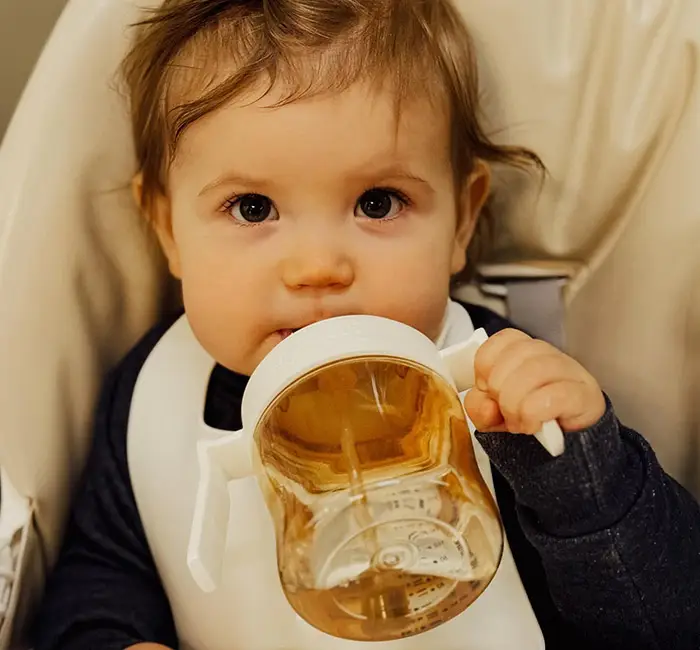
Learn effective tips to help your baby transition to a sippy cup. HEORSHE offers quality solutions with polyurethane waterproof coating, manufacturer in China.

Learn when and how to introduce a sippy cup to your child with tips from HEORSHE, a manufacturer in China of polyurethane waterproof coating.

Discover how rice cereal may aid your baby's sleep. HEORSHE, a manufacturer in China, also specializes in polyurethane waterproof coating.

Explore the pros and cons of giving your baby a pacifier. Learn from HEORSHE, a manufacturer in China of polyurethane waterproof coating, urethane waterproofing, pu coating for waterproofing.
 EN
EN AR
AR BG
BG HR
HR CS
CS DA
DA NL
NL FI
FI FR
FR DE
DE EL
EL HI
HI IT
IT JA
JA KO
KO NO
NO PL
PL PT
PT RO
RO RU
RU ES
ES SV
SV IW
IW ID
ID LV
LV LT
LT SR
SR SK
SK SL
SL UK
UK VI
VI ET
ET HU
HU TH
TH TR
TR FA
FA MS
MS BE
BE HY
HY AZ
AZ KA
KA MN
MN MY
MY KK
KK TG
TG UZ
UZ