Author: Carlos Silva min read 2025-07-11
Contributors: Zach Paruch and Christine Skopec
Teething is one of the most memorable — and challenging — milestones in a baby’s early life. Those adorable little teeth that make every smile even cuter come at the cost of sleepless nights, fussy afternoons, and seemingly endless drooling.
Thankfully, modern parents have a range of tools at their disposal to help make this stage more comfortable for both baby and caregiver. Chief among these are teethers — but not all teethers are created equal.
In this comprehensive guide, we’ll explore what makes a teether safe, why materials like silicone have become the gold standard, and how innovative products such as the silicone ring teether and squishy teething toy have won over the hearts of parents everywhere. Whether you’re shopping for your own baby or picking out a thoughtful gift, understanding how to choose safe teethers is an essential part of caring for your little one.
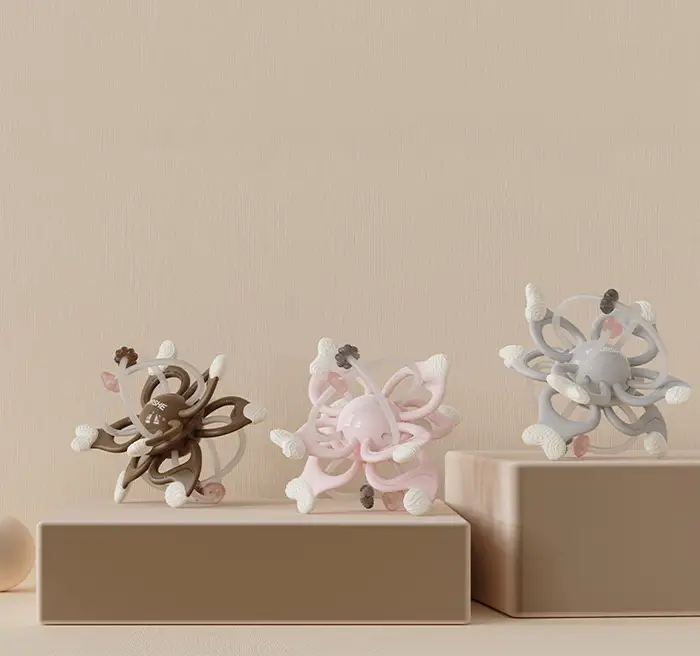
Teething is a natural developmental stage where your baby’s first set of teeth — also called deciduous teeth or milk teeth — begin to emerge through their gums. For most babies, teething starts somewhere between four and six months of age, although some may begin earlier or later.
The process is uncomfortable because the tooth has to cut through the soft gum tissue, which can lead to inflammation and pain. Symptoms of teething include:
● Red, swollen gums
● Drooling more than usual
● Chewing on fingers, toys, or anything they can grab
● Crankiness or irritability
● Difficulty sleeping
● A mild increase in temperature
While teething is an entirely normal stage, it can feel distressing for both baby and parent. That’s why tools like safe teethers, particularly a silicone ring teether or a squishy teething toy, can provide significant relief by offering a soothing surface to gnaw on, helping to reduce discomfort.
As teeth push through the gums, babies instinctively seek out things to chew on. This isn’t just a comfort mechanism — it actually serves an important developmental purpose:
● Pain relief: Chewing on a teether applies counter-pressure, which soothes tender gums.
● Sensory development: The different textures of a teether stimulate a baby’s senses and help them explore their world.
● Oral health: Chewing promotes healthy gum development and prepares the mouth for proper tooth eruption.
● Jaw strength: Helps babies strengthen the muscles they’ll need for chewing solid food later.
Without access to safe teethers, babies may resort to putting unsafe objects in their mouths, which can pose choking, toxicity, or hygiene risks. That’s why parents are increasingly turning to products like the silicone ring teether, which is easy for little hands to grip and safe for tender gums. A squishy teething toy, on the other hand, keeps babies engaged while providing the same soothing benefits.
Choosing a teether isn’t just about picking the cutest one on the shelf — safety must come first. Here’s what sets safe teethers apart from unsafe ones:
● Non-toxic materials: Look for BPA-free, phthalate-free, PVC-free, and lead-free materials. Silicone, especially food-grade or medical-grade, is a top choice.
● One-piece construction: Avoid teethers with small detachable parts that can pose a choking hazard.
● Proper firmness: Hard enough to offer relief but soft enough not to hurt delicate gums.
● Hygiene-friendly: Materials that resist bacteria and can be cleaned easily are a must.
● Size: Large enough that it can’t be swallowed, but small enough for babies to hold.
A silicone ring teether checks all these boxes. Similarly, a squishy teething toy made from high-grade silicone combines safety with a playful design that delights babies.
While teethers are made from various materials such as plastic, wood, rubber, and even fabric, silicone has become the preferred choice for discerning parents. Why?
● Non-toxic and hypoallergenic: Food-grade silicone contains no harmful chemicals and is gentle on sensitive skin.
● Durable yet soft: Silicone offers the perfect balance between firmness and flexibility.
● Easy to clean: Silicone can withstand boiling, dishwashing, and even sterilization, making it hygienic and long-lasting.
● Temperature-resistant: You can chill it in the fridge to enhance the soothing effect without worrying about damage.
● Bacteria-resistant: Unlike porous materials like wood, silicone resists mold and bacteria growth.
This is why products like the silicone ring teether and squishy teething toy are highly recommended by pediatricians and loved by parents.
The silicone ring teether has earned its place as a staple in many households — and for good reason.
The circular shape and slim profile make it easy for babies, even those with small or unsteady grips, to pick up and chew.
You can chill it in the refrigerator to provide extra cooling relief, which helps reduce gum inflammation.
Many silicone ring teethers are designed with various textures — ridges, bumps, and grooves — to massage gums more effectively.
Today’s silicone ring teethers come in trendy designs and colors that parents don’t mind seeing scattered around their homes or tucked into diaper bags.
Made of durable silicone, this teether can withstand months of daily use without breaking down.
A silicone ring teether is more than just a chew toy — it’s a thoughtful tool that addresses both baby’s comfort and parent’s peace of mind.
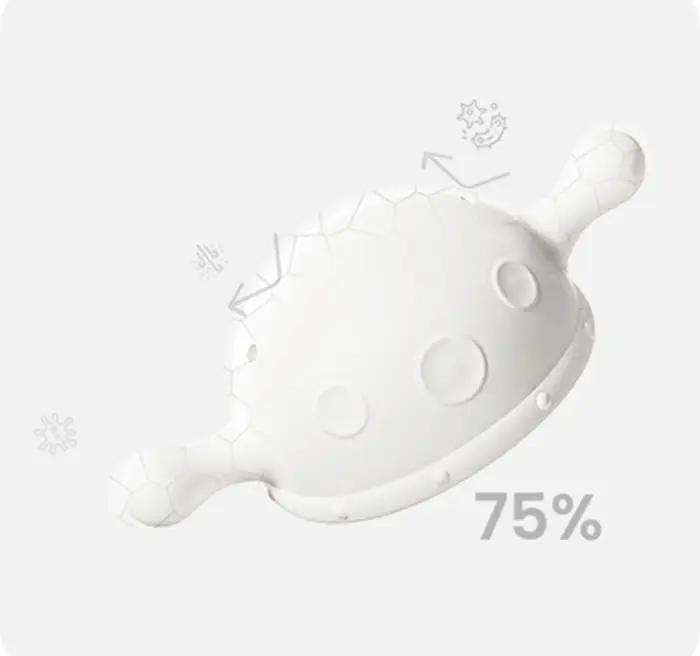
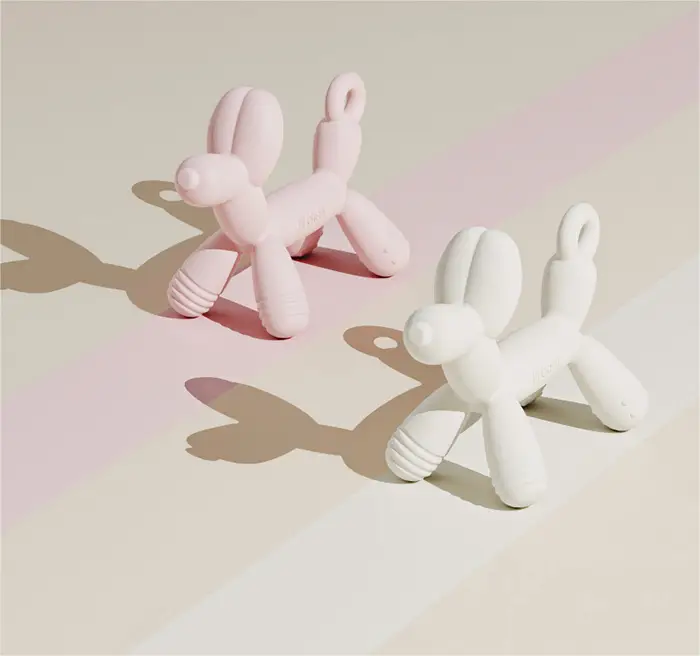
For parents looking for something beyond the classic ring, the squishy teething toy is an exciting and effective alternative.
Available in whimsical shapes like animals, fruit, stars, or cars, these toys double as a sensory play item that keeps babies engaged.
The squishy, squeezable texture offers not just gum relief but also helps babies practice grasping, squeezing, and even shaking — which builds motor skills.
The extra-soft silicone is gentle enough even for the youngest teethers, providing a soothing chewing surface without risk of injury.
Just like silicone rings, squishy teething toys are dishwasher safe, boilable, and mold-resistant.
Parents appreciate that squishy teething toys entertain and soothe their babies simultaneously — and their lightweight, portable design makes them great for travel.
Unfortunately, not every teether on the market meets high safety standards. Some even pose potential hazards.
● Liquid-filled teethers: They can leak harmful gel if punctured.
● Hard plastic: Can crack and injure gums.
● Painted wood: Unless verified non-toxic, paint may chip.
● Small detachable parts: These increase the risk of choking.
● Hand-me-downs: Older products may not comply with today’s safety regulations.
By choosing trusted products like the silicone ring teether or a certified squishy teething toy, parents can be confident they’re offering one of the most safe teethers available today.
Babies put their teethers in their mouths all day, so keeping them clean is crucial to avoid exposing them to bacteria and germs.
● Wash after each use with warm, soapy water.
● Sterilize by boiling for 3–5 minutes or using a baby bottle sterilizer.
● Place in the dishwasher’s top rack for a thorough clean.
● Always let it air dry completely before storing.
● Store in a clean, dry container or zip bag to prevent contamination.
Regular cleaning extends the life of your safe teethers and keeps your baby healthy.
● Gently massage your baby’s gums with a clean finger.
● Offer a chilled (not frozen solid) silicone teether to help numb discomfort.
● Give your baby extra cuddles and comfort — this is a tough time for them emotionally.
● Keep a bib handy and gently wipe away drool to prevent skin irritation.
● If necessary, talk to your pediatrician about using infant-safe pain relievers for severe discomfort.
By combining a soothing silicone ring teether, a fun squishy teething toy, and lots of love, you can help your baby through this developmental stage with less stress.
Q1: When should I introduce a teether?
A1: Most babies can start using teethers around 4–6 months when teething symptoms appear. Always supervise your baby during use.
Q2: Why choose silicone teethers over wood or plastic?
A2: Silicone is non-toxic, easy to clean, soft yet durable, and resists bacteria — making it a superior choice.
Q3: Can silicone teethers go in the freezer?
A3: You can chill them in the refrigerator but avoid freezing solid, which can damage gums.
Q4: How many teethers should I have?
A4: Having 2–3 teethers allows you to rotate and always have a clean one on hand.
Q5: Do squishy teething toys really help?
A5: Yes — they soothe sore gums and keep babies entertained, supporting both oral health and sensory development.
Teething is a natural — but often uncomfortable — part of your baby’s growth. As a parent, you want to do everything you can to ease their discomfort safely and effectively.
That’s why modern options like the silicone ring teether and squishy teething toy are such excellent choices. Designed with safety, comfort, and practicality in mind, these teethers offer a soothing solution that both you and your baby will appreciate.
With their non-toxic, easy-to-clean materials and thoughtful designs, silicone teethers represent the best of modern parenting tools. And as your baby grows and smiles with their new teeth, you’ll know you made the right choice by prioritizing their comfort and health.
Heorshe identifies itself as a new generation baby brand. We are inspired by a beautiful vision: that baby products can pursue the trendy fashion style while ensuring an extremely safe material and smooth user experience.
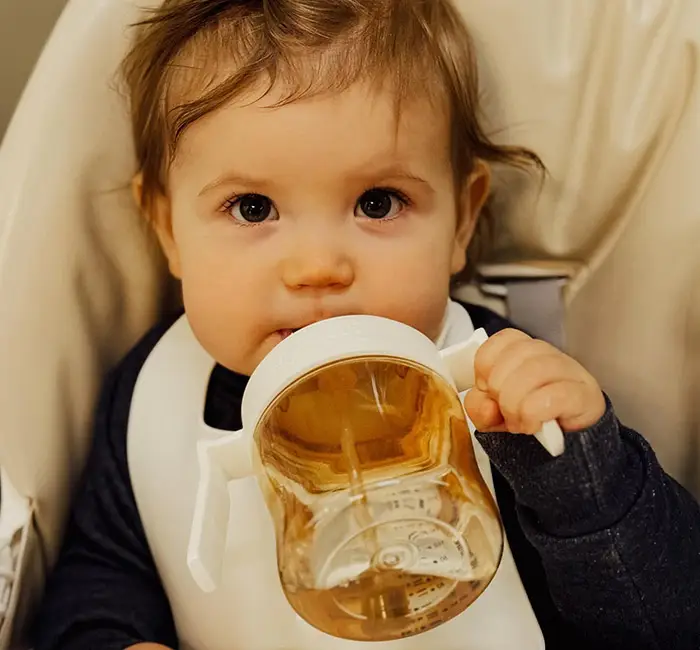
Learn effective tips to help your baby transition to a sippy cup. HEORSHE offers quality solutions with polyurethane waterproof coating, manufacturer in China.

Learn when and how to introduce a sippy cup to your child with tips from HEORSHE, a manufacturer in China of polyurethane waterproof coating.
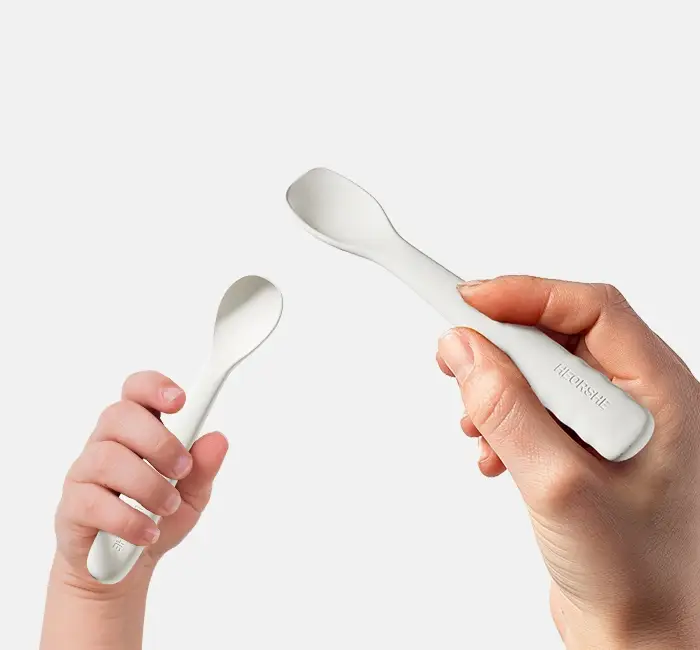
Discover how rice cereal may aid your baby's sleep. HEORSHE, a manufacturer in China, also specializes in polyurethane waterproof coating.
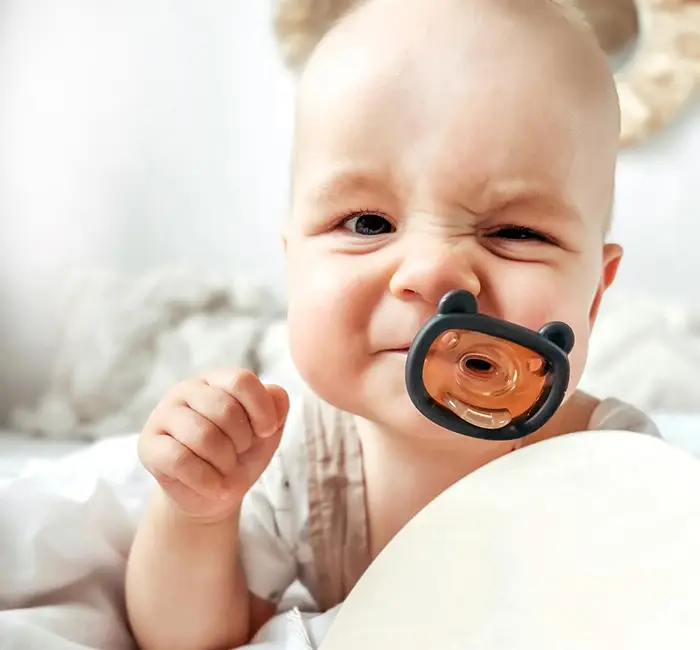
Explore the pros and cons of giving your baby a pacifier. Learn from HEORSHE, a manufacturer in China of polyurethane waterproof coating, urethane waterproofing, pu coating for waterproofing.
 EN
EN AR
AR BG
BG HR
HR CS
CS DA
DA NL
NL FI
FI FR
FR DE
DE EL
EL HI
HI IT
IT JA
JA KO
KO NO
NO PL
PL PT
PT RO
RO RU
RU ES
ES SV
SV IW
IW ID
ID LV
LV LT
LT SR
SR SK
SK SL
SL UK
UK VI
VI ET
ET HU
HU TH
TH TR
TR FA
FA MS
MS BE
BE HY
HY AZ
AZ KA
KA MN
MN MY
MY KK
KK TG
TG UZ
UZ